What Is a Timing Belt? Complete Guide to Function, Types, and Uses
A small component inside machines often does one of the most important jobs, yet many people only notice it when something goes wrong. The timing belt is one such part. It quietly keeps everything in sync, making sure different parts move at the right time and in the correct order. This simple role is what keeps many systems running smoothly. But what exactly does it do, and why is it so important?
What Is a Timing Belt?
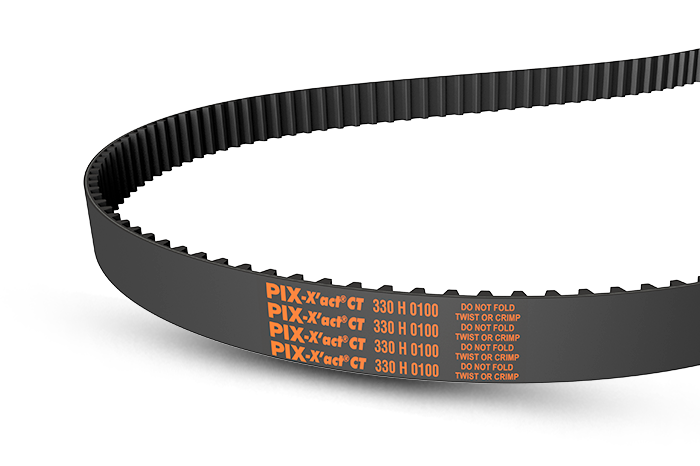
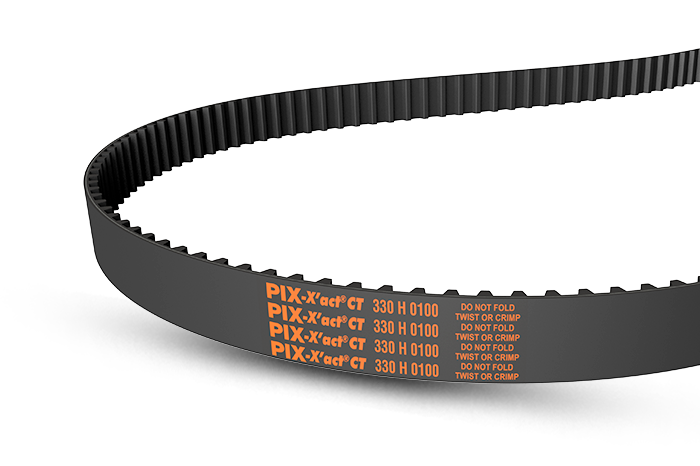
A timing belt is a flexible belt that has small teeth on its inner surface. These teeth fit perfectly into matching grooves on pulleys. This design allows the belt to move parts together without slipping. In simple terms, it controls the timing of moving parts in a machine or engine. If the timing is even slightly off, the entire system may not work as expected, which can lead to performance issues or damage.
Note:
If you are looking for reliable and durable Timing Belts for your application, it is important to choose a trusted manufacturer. PIX Transmissions Ltd offers a wide range of solutions designed for different needs. Contact them to find the right option for your system and ensure smooth performance.
How Does a Timing Belt Work?
A timing belt works by connecting two or more rotating parts so they move together in a controlled way. The belt wraps around pulleys, and its teeth grip them firmly. When one pulley rotates, the belt transfers that motion to another pulley. This ensures that all connected parts move at the same time and at the correct speed. The process may seem simple, but it plays a key role in keeping systems stable and reliable.
Why Is Timing So Important?
Timing is everything when it comes to machines. If parts move too early or too late, it can create serious problems. Imagine a system where movements are not coordinated—this can lead to noise, wear, or even complete failure. A timing belt helps avoid these issues by maintaining perfect coordination. It allows systems to run smoothly, reduces wear on parts, and supports consistent performance over time.
Types of Timing Belts
Timing belts are available in different types, and each type is designed for specific needs. Some belts are made for basic applications, while others are built to handle heavy loads or high speeds. The differences usually come from the shape of the teeth and the material used.
| Type | Description | Common Use |
|---|---|---|
| Trapezoidal | Basic tooth shape, widely used | Older systems |
| Curvilinear | Rounded teeth for better grip | Modern machinery |
| Modified Curvilinear | Improved version for higher load | Heavy-duty use |
The material of the belt also plays an important role in its performance. Some belts are flexible and suitable for everyday use, while others are designed for strength and durability in demanding environments.
| Material | Features | Benefits |
|---|---|---|
| Rubber | Flexible and cost-effective | Good for general use |
| Polyurethane | Strong and durable | Handles higher loads |
| Reinforced Belts | Added strength with cords | Longer life and stability |
Common Uses of Timing Belts
Timing belts are used in many systems, often hidden from view. In vehicles, they help control engine functions by ensuring that different parts move together in perfect timing. In industrial machines, they are used to manage speed and movement with accuracy. They are also found in equipment used for printing and packaging, where even small timing errors can affect the final output. In some home appliances, timing belts help ensure smooth and quiet operation.
Signs That a Timing Belt May Be Failing
Over time, timing belts can wear out due to regular use. The challenge is that problems may not always be obvious at first. You might notice unusual sounds coming from the system, or a drop in performance. In some cases, visible cracks or wear on the belt can be seen. If these signs are ignored, the issue can grow into a more serious problem that may stop the system completely.
How Long Does a Timing Belt Last?
The lifespan of a timing belt depends on how it is used and maintained. Systems that operate under heavy load or in harsh conditions may cause the belt to wear out faster. On the other hand, proper care and regular inspection can extend its life. This is why routine checks are important, as they help identify issues before they become major problems.
Tips to Maintain a Timing Belt
Maintaining a timing belt does not require complex steps, but it does require consistency. Regular inspection helps detect early signs of wear. Keeping the belt clean and ensuring proper alignment can prevent unnecessary strain. It is also important to avoid overloading the system, as this can reduce the belt’s lifespan. Small efforts in maintenance can go a long way in ensuring smooth operation.
What Happens If a Timing Belt Breaks?
When a timing belt breaks, the results can be serious. The connected parts lose their coordination instantly, and the system may stop working without warning. In some cases, internal components can be damaged due to sudden disruption. This can lead to costly repairs and downtime. This is why it is important to replace the belt at the right time rather than waiting for it to fail.
Choosing the Right Timing Belt
Choosing the right timing belt involves more than just selecting the correct size. It is important to consider factors such as load, speed, and the environment in which the belt will be used. A belt that works well in one system may not be suitable for another. Making the right choice ensures better performance and longer service life.
The Future of Timing Belts
As technology continues to develop, timing belts are also improving. New designs focus on making them stronger, quieter, and more durable. These advancements help machines run more efficiently while reducing maintenance needs. The goal is to create belts that can handle demanding conditions while maintaining reliable performance over time.
Final Thoughts
Timing belts may appear simple, but their role is critical in many systems. They ensure that different parts move together in a controlled and efficient way. Understanding how they work and how to care for them can help prevent unexpected problems and keep systems running smoothly for longer periods.
FAQs
1. What is the main function of a timing belt?
It helps keep moving parts in sync by transferring motion between them.
2. How often should a timing belt be checked?
It should be inspected regularly as part of routine maintenance.
3. Can a timing belt be repaired?
No, a damaged timing belt should be replaced rather than repaired.
4. What causes a timing belt to wear out?
Wear can happen due to heat, friction, misalignment, or heavy loads.
5. Are all timing belts the same?
No, timing belts differ in design, material, and application.
Social Links
Facebook: https://www.facebook.com/pixgermanygmbh/
Instagram: https://www.instagram.com/pixgermanygmbh/
YouTube: https://www.youtube.com/user/pixtrans
LinkedIn: https://www.linkedin.com/company/pixgermanygmbh/
Twitter: https://x.com/pixgermanygmbh
Google Maps: https://maps.app.goo.gl/Ls83bzangT1ipdQv5
Also read: Timing Belt: The Small Component That Keeps Everything Running














Post Comment