How to Choose the Perfect Leather Jacket: A Complete Buying Guide for Men and Women
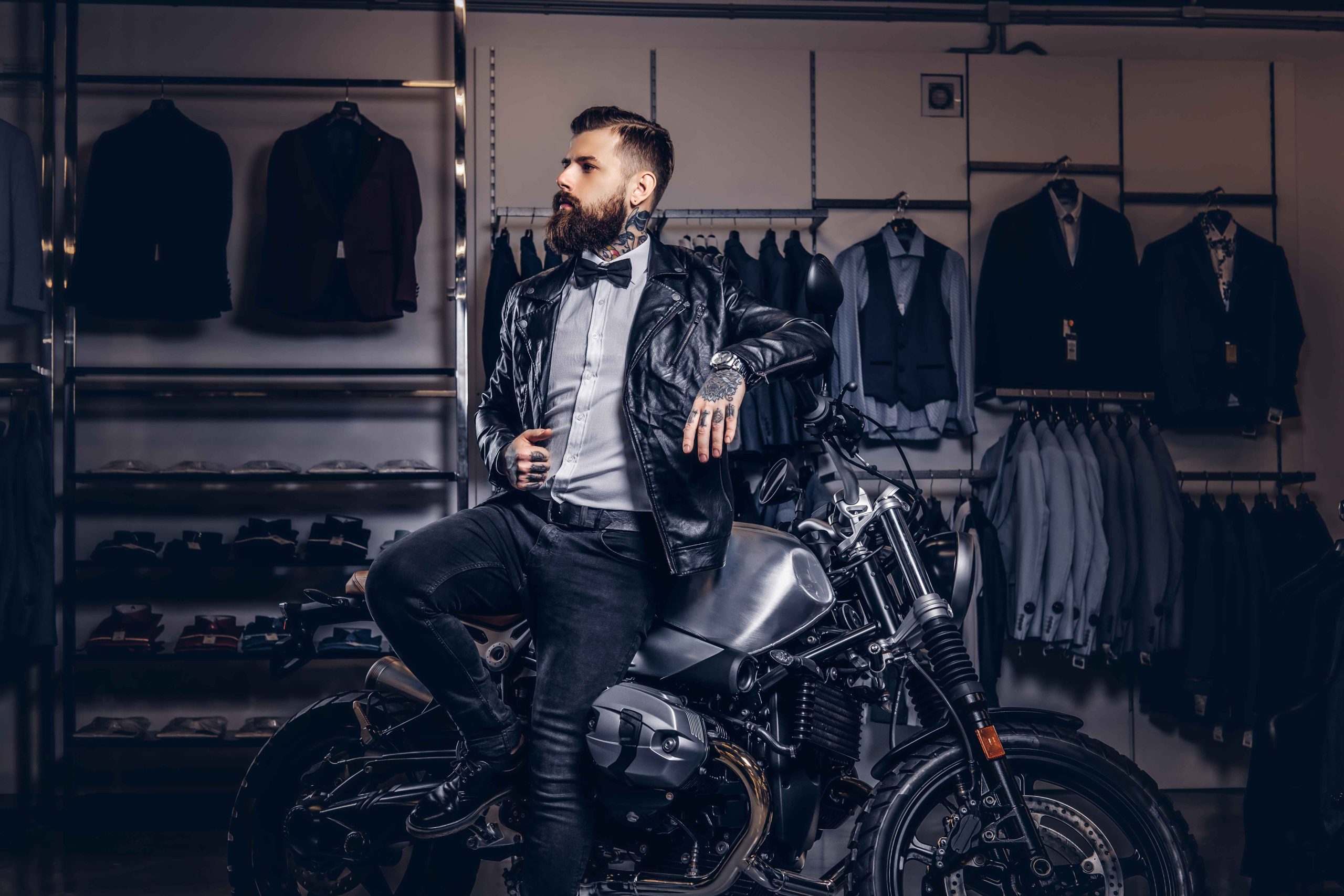
A leather jacket is one of the most iconic, timeless, and versatile pieces of clothing a person can own. Whether you are dressing up for a night out, layering for a chilly morning commute, or simply adding an edge to your everyday wardrobe, a well-chosen leather jacket has a way of elevating every outfit effortlessly. But with hundreds of styles, materials, and price points flooding the market, how do you actually choose the right one?
This guide breaks down everything you need to know before making your next leather jacket purchase from understanding material quality to finding the right fit and style for your body type and lifestyle.
Understanding Leather Types: What You Are Actually Buying
Before anything else, you need to understand what kind of leather you are paying for. Not all leather jackets are created equal, and the material is the single biggest factor that determines the jacket’s durability, feel, and long-term value.
Full-Grain Leather is the highest quality option available. It comes from the outermost layer of the hide and retains all the natural grain and character markings. It is dense, durable, and develops a beautiful patina over time. If you are investing in a jacket you plan to wear for a decade, full-grain is worth every penny.
Top-Grain Leather is slightly processed to remove surface imperfections, making it smoother and more uniform in appearance. It is still high-quality and widely used in premium jacket manufacturing. Most well-crafted jackets in the mid-to-upper price range use top-grain leather.
Genuine Leather refers to real animal leather, but it is taken from the lower layers of the hide, making it thinner and less durable than full or top-grain options. However, for fashion purposes and everyday casual wear, genuine leather jackets still offer a satisfying look and feel at a more accessible price point. Many reputable brands including William Jacket offer genuine leather options that hit a strong balance between quality and affordability.
Faux Leather (PU or Vegan Leather) has come a long way in recent years. Modern faux leather can look and feel nearly identical to the real thing, and for buyers who prefer animal-free products, today’s high-quality synthetic options are genuinely impressive. When shopping faux leather, look for multi-layer construction and fabric backing, which dramatically improves durability and resistance to cracking.
Choosing the Right Style for Your Wardrobe
Leather jackets come in more styles than most people realize. Choosing the wrong silhouette for your body type or lifestyle is one of the most common mistakes buyers make. Here is a breakdown of the most popular styles and who they suit best.
The Biker Jacket is the most classic and recognizable leather jacket style. With its asymmetric zipper, snap lapels, and belted waist, it has an instantly cool, rebellious energy. It suits most body types and works especially well for slim and athletic builds. If you are drawn to rock-and-roll or music-inspired fashion, you might also want to Get Michael Jackson Jackets a bold, performance-ready style that has influenced streetwear for decades.
The Café Racer is a minimalist, collarless style originally inspired by the motorcycle culture of the 1960s. It is clean, refined, and slightly more understated than the biker silhouette, making it a great choice for men and women who want something versatile enough to wear in professional-casual settings.
The Bomber Jacket bridges the gap between casual and structured. With its ribbed cuffs, waistband, and relaxed fit, it works well for layering and gives a slightly sportier look compared to classic leather styles.
The Moto Jacket is similar to the biker style but typically less embellished fewer hardware details, cleaner lines, and a more contemporary silhouette. It is particularly popular in women’s fashion and pairs beautifully with everything from midi skirts to tailored trousers.
The Varsity or Letterman Jacket in leather is a trend that has made a significant comeback over the last few seasons. Combining leather body panels with contrast ribbing, it delivers a retro-meets-modern aesthetic that works across gender lines.
Designer and Icon-Inspired Styles are also worth exploring if you want something more statement-driven. Luxury-adjacent fashion pieces like a silk-feel Versace Robe paired with tailored leather pieces represent a growing trend in elevated casual dressing, where high-fashion silhouettes meet everyday we arability.
Getting the Fit Right The Most Important Factor Nobody Talks About Enough
You could spend $600 on a designer leather jacket and still look terrible in it if the fit is wrong. Fit is everything.
A leather jacket should sit snugly at the shoulders the shoulder seam should align with the edge of your shoulder, not drooping down your arm or pulling across your upper back. The chest should fit closely without restricting arm movement. The sleeves should fall at your wrist bone when your arms are relaxed at your sides.
One important note: unlike cotton or denim, leather does not stretch significantly. If the jacket feels tight across the chest or shoulders at the time of purchase, it is not going to loosen up the way a denim jacket might. Always size up if you plan to layer underneath.
Many online retailers, including William Jacket, provide detailed size guides with chest, shoulder, and sleeve measurements always use these rather than relying on generic S/M/L sizing alone.
Durability and Construction What to Look for Before You Buy
A leather jacket is an investment, and the construction quality determines how long that investment lasts.
Check the stitching. On a well-made jacket, stitching should be tight, even, and consistent. Loose threads, skipped stitches, or uneven seam lines are signs of poor quality control.
Examine the hardware. Zippers, snaps, and buckles take daily stress and are often the first things to fail on a cheap jacket. Look for YKK or equivalent quality zippers and solid metal hardware rather than plastic or cheaply plated alternatives.
Inspect the lining. A well-finished jacket has a lining that sits smoothly, doesn’t bunch under the arms, and is stitched securely at the cuffs and hem. A poorly attached lining is a strong indicator that corners were cut elsewhere too.
Check the edges. Higher-quality jackets will have finished or painted edges on leather panels rather than raw cuts, which are more prone to peeling and cracking over time.
Leather Jacket Care Making It Last a Lifetime
One of the biggest reasons quality leather jackets degrade early is improper care. Leather is a natural material that requires occasional maintenance to stay supple and crack-free.
Condition regularly. Use a dedicated leather conditioner every three to six months to keep the material hydrated and prevent drying and cracking. Apply a small amount with a clean cloth and buff gently.
Store it properly. Leather should be hung on a wide, padded hanger in a cool, dry environment. Avoid plastic garment bags, which trap moisture and can cause mildew. A breathable cotton garment bag is ideal.
Handle water carefully. If your jacket gets wet, let it dry naturally at room temperature. Avoid direct heat sources like radiators or hair dryers, which can cause the leather to stiffen and crack.
Clean with caution. For light dirt, a damp cloth is usually sufficient. For deeper cleaning, use a leather-specific cleaner rather than household products, which can strip the natural oils from the material.
How to Evaluate Price vs. Value Avoiding the Common Traps
The leather jacket market has two dominant failure modes: overpriced mediocrity and underpriced disappointment.
At the very low end of the market (under $60–$80), you are almost certainly getting bonded leather or thin PU that will begin cracking within a year. These jackets may look the part in photographs but rarely hold up beyond a single season.
At the luxury end ($600+), you are often paying a significant premium for heritage branding and retail markups rather than proportionally superior materials.
The sweet spot for most buyers sits in the $100–$300 range, where independent and direct-to-consumer brands offer genuine leather quality without the luxury markup. Brands like William Jacket have built their reputation in exactly this space delivering handcrafted genuine leather jackets with solid construction at prices that make sense for the everyday buyer. For those who love character-driven fashion, it is also worth browsing options to Shop Michael Jackson Jackets a category that consistently performs well for fans who want a bold, iconic look without a designer price tag.
Final Thoughts The Right Leather Jacket Is a Wardrobe Investment Worth Making
A good leather jacket, properly chosen and well cared for, is one of the few clothing purchases that genuinely gets better with age. The leather softens, the fit shapes to your body, and the jacket develops a character that no new piece can replicate.
The key is doing your homework before you buy. Understand the leather type, prioritize fit over everything else, check the construction details, and invest in a price range that reflects genuine quality rather than inflated branding. And if you are shopping for a specific season or occasion whether it is a themed event or a festive wardrobe refresh, exploring a curated Halloween Jacket collection can be a great way to find a statement piece that doubles as both a costume and a genuine wardrobe addition.
Whether you are buying your very first leather jacket or adding to an existing collection, use this guide as your reference point. The right jacket is out there and when you find it, you will know.












Post Comment