Home CCTV Installation: Wired vs Wireless Systems Compared
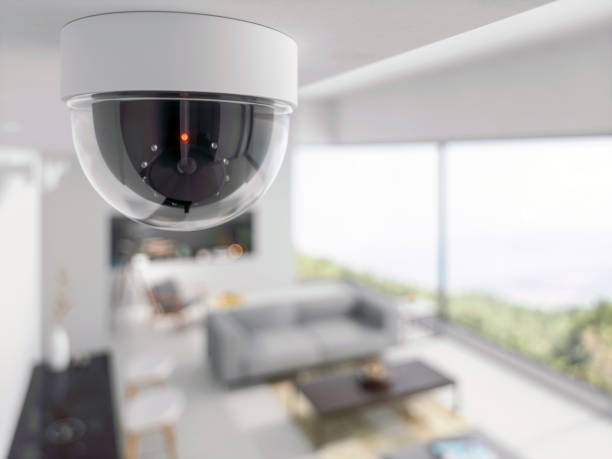
A strong home CCTV system guards your house and helps you feel calm each day. It lets you watch doors, rooms and open spaces with ease. Yet one big choice stands in your path—should you pick a wired system or a wireless one? Both options serve the same goal, but they work in different ways. So, let’s walk through each type in a clear and simple way.
Understanding Home CCTV Installation Basics
When you begin home CCTV installation, you place cameras around your home and link them to a system that stores video. You also set up a screen or phone access so you can check the footage at any time. You can set cameras inside or outside. Indoor cameras help you watch rooms and hallways. Outdoor cameras guard gates, doors and open areas.
Most homes need coverage in key spots such as:
- Front door and main gate
- Driveway or parking area
- Back garden or yard
- Stairways and hallways
However, the type of system you choose shapes how you install and use it. So, let’s explore both options.
Wired CCTV Systems: Strong and Steady Protection
Wired systems use cables to connect each camera to a central recorder. These cables carry power and video signals.
How Wired Systems Work
Each camera links to a recording device through cables. The recorder stores all footage. You can view this footage on a screen or through a connected device.
Because cables handle the connection, the system stays firm and stable.
Why Choose Wired Systems
Wired systems offer strong and clear performance. They suit homes where long-term use matters.
- They give a steady video without signal loss
- They capture clear images with fine detail
- They resist outside interference
- They store footage without breaks
Also, wired systems work well in large homes where distance may weaken wireless signals.
Limits of Wired Systems
Wired systems need more effort during setup. You must run cables through walls or ceilings. This step takes time and planning.
You may face:
- Drilling and routing cables
- Limited camera movement later
- More effort during repairs
Still, once you set it up, the system runs with little change.
Wireless CCTV Systems: Simple and Flexible Choice
Wireless systems send video through Wi-Fi instead of cables. They still need power, but they do not rely on wired data links.
How Wireless Systems Work
Each camera connects to your home network. It sends video to storage through Wi-Fi. You can view footage on your phone or computer.
Because there are fewer wires, the setup feels quick and clean.
Why Choose Wireless Systems
Wireless systems suit homes where ease and flexibility matter.
- They set up in less time
- They allow easy camera movement
- They keep walls free from heavy wiring
- They offer quick access through mobile devices
Also, these systems fit rented homes or spaces where you may change layouts.
Limits of Wireless Systems
Wireless systems depend on network strength. If your Wi-Fi drops, the camera feed may stop.
You may also face:
- Signal blocks from thick walls
- Need to check the power or batteries
- Slight delay in video feed
Even so, many people choose wireless systems for their ease.
Wired vs Wireless: Key Differences
When you compare both systems, clear differences appear. These points help you decide what suits your home.
Installation Effort
Wired systems need careful planning. You must map cable paths and fix them in place. Wireless systems allow quick setup with fewer tools. However, wired systems stay fixed once installed.
Performance and Stability
Wired systems deliver steady performance. They do not rely on internet strength. Wireless systems depend on network quality. So, if your internet stays strong, wireless systems can still perform well.
Maintenance Needs
Wireless systems need checks for power and network. Wired systems need less care once installed.
Yet, cable damage in wired systems may take effort to fix.
Flexibility
Wireless systems allow easy changes. You can move cameras or add more without much work. Wired systems need planning for any change.
At this point, many people search for answers on wired vs wireless home CCTV installation. The right choice depends on your needs and setup.
Choosing the Right System for Your Home
Your home layout and daily needs guide your choice.
Size of Your Home
Large homes often suit wired systems because they cover long distances with ease. Smaller homes may benefit from wireless systems.
Internet Strength
If your Wi-Fi reaches all corners, wireless systems can work well. If not, wired systems offer better stability.
Future Plans
If you plan to add more cameras later, wireless systems allow easy growth. However, you can also expand wired systems with proper planning.
Comfort with Setup
If you prefer a quick setup, wireless systems fit better. If you value long-term strength, wired systems stand firm.
Practical Tips for Better Results
A good setup improves safety and performance. So, follow these simple steps.
Plan Camera Positions
Choose spots that give a clear view. Avoid placing cameras where walls or objects block the view.
Secure Your System
Use strong passwords and update settings when needed. This step keeps your system safe.
Test Before Fixing
Check each camera before final placement. Make sure angles and connections work well.
Start Small
Begin with key areas. Add more cameras later if needed.
Common Mistakes to Avoid
Many people rush the setup and miss key steps. You can avoid these issues with care.
Poor Placement
If you place cameras too high or too low, they may miss important views. Always test angles first.
Weak Network Setup
Wireless systems need strong signals. If you ignore this, the system may fail.
Ignoring Storage Needs
You must plan how much footage you want to store. This step helps you avoid data loss.
Skipping Maintenance
Even simple systems need checks. Clean cameras and review settings from time to time.
Final Thoughts
Both wired and wireless systems protect your home in their own way. Wired systems offer strength and steady performance. Wireless systems bring ease and flexibility.
So, choose what suits your home and your routine. With proper planning and careful home CCTV installation, you can build a system that guards your space and brings peace of mind.
FAQs
1. Which CCTV system suits a small home best?
Wireless systems often suit small homes. They need less setup and allow easy movement. However, a wired system can still work if you want strong stability.
2. Do wired systems last longer than wireless ones?
Wired systems often last longer because they do not rely on network signals. They stay stable over time. Yet, both systems can last long with proper care.
3. Can I install CCTV systems on my own?
Yes, you can install both types if you follow clear steps. Wireless systems feel easier for beginners. Wired systems may need more effort and planning.
4. How many cameras do I need for a home?
The number depends on your home size. Most homes need cameras at entry points, open areas and key indoor spaces. Start with main areas and expand if needed.













Post Comment