How Digitizing a Logo for Embroidery Transforms Your Brand Identity
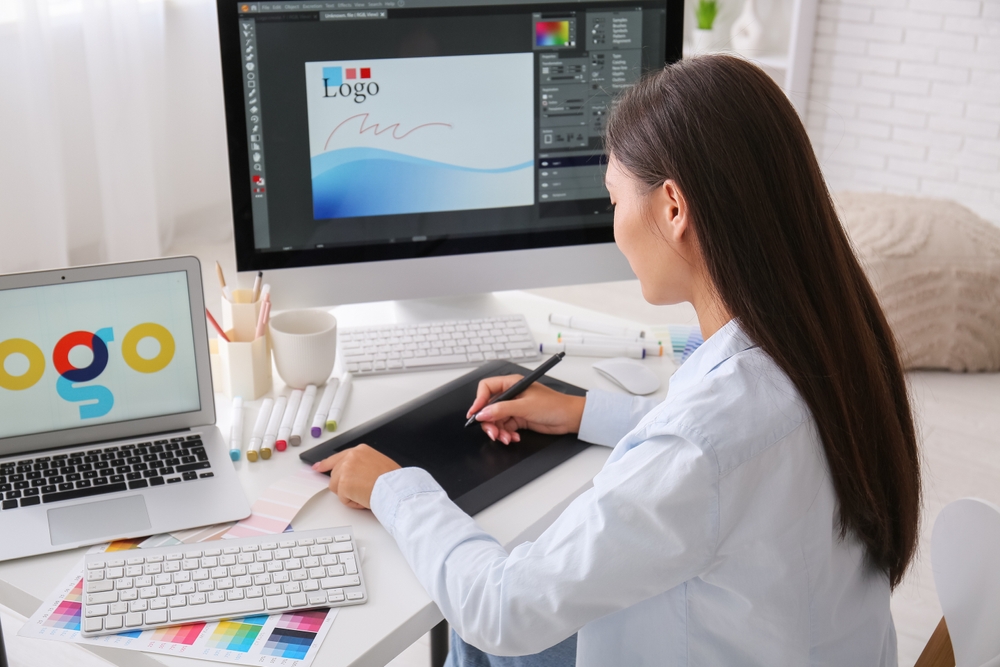
You’ve spent weeks perfecting your brand logo. The colors, the font, the little icon that sums up everything your business stands for. It looks amazing on your website, pops on business cards, and grabs attention on social media. But then you try to stitch that same logo onto a company polo shirt or a baseball cap, and disaster strikes. The letters come out lumpy. The fine details turn into a blurry mess. The curves look jagged instead of smooth. That’s because a digital image meant for screens doesn’t automatically work on fabric. Embroidery needs a special map—a set of precise stitches that tell the machine exactly where to go. That process is called digitizing, and it changes everything. When you understand how digitizing a logo for embroidery upgrades your brand identity, you’ll never look at a company uniform the same way again.
Why a Standard Digital Logo Fails on Fabric
Let’s get one thing straight. Your PNG, JPEG, or vector file isn’t stupid. It does its job perfectly on a screen or a printed page. But embroidery machines don’t read pixels. They read stitch files—formats like .DST, .PES, or .EXP. These files contain commands for stitch type, density, direction, and thread color changes. Without a proper digitized file, the machine just guesses. And machines guess poorly. You end up with gaps in the design, thread breaks, puckering fabric, or a logo that looks like a kindergartner drew it. That cheapens your brand instantly. Customers notice sloppy stitching on your staff’s uniforms. They judge your attention to detail based on that tiny patch on a shirt pocket. So don’t skip the digitizing step unless you want your brand to look amateur.
The Technical Magic Behind Digitizing a Logo for Embroidery
Here’s where it gets interesting. A skilled digitizer takes your flat logo and mentally translates it into a three-dimensional stitch plan. They decide which parts need satin stitches for smooth, shiny edges and which sections require fill stitches for larger areas. They adjust density so thick fabric doesn’t cause thread breakage and thin fabric doesn’t get chewed up. They program underlays—those first layers of stitches that anchor the design and prevent shifting. They also add pull compensation because fabric stretches slightly as the machine runs. Without that compensation, your perfect circle turns into an oval. A good digitizing service handles all these technical details so you don’t have to. The result? A logo that looks crisp, lies flat, and survives dozens of washes without falling apart.
How Proper Embroidery Digitizing Elevates Brand Perception
Think about the last time you saw a beautifully embroidered polo shirt at a trade show. Didn’t it make that company look professional, established, and trustworthy? Now think about a faded, peeling screen-printed logo you saw on a giveaway hat. Which brand would you rather do business with? Embroidery screams quality. When you digitize your logo correctly, every stitch lays perfectly flat, edges stay sharp, and colors match your brand guidelines. That consistency across uniforms, bags, jackets, and caps builds recognition. People start to associate your logo with reliability. And that association directly impacts your bottom line. Customers pay more for brands that look put together. They recommend companies that care about the little things. So investing in proper digitizing isn’t an expense—it’s a marketing move that pays for itself.
The Durability Factor That Printed Logos Can’t Match
Screen printing cracks. Heat transfers peel. Vinyl decals fray at the edges. But a well-digitized embroidery logo? That thing lasts for years. Because the thread physically embeds into the fabric, it becomes part of the garment. You can throw that jacket in the washing machine a hundred times, and the logo still looks presentable. For workwear, sports teams, and outdoor brands, durability matters enormously. Nobody wants to replace uniforms every few months. Digitizing ensures that your logo uses the right stitch types for each area—denser stitches for high-wear zones like cuffs and collars, lighter stitches for delicate fabrics. That attention to longevity tells your customers that you build products to last. It reinforces your brand identity as dependable and honest.
Creating a Consistent Brand Image Across All Merchandise
You hand out caps at a conference. Your sales team wears polos at a client meeting. Volunteers use embroidered bags during a community event. If those three items show three different versions of your logo—one stretched, one squished, one missing a detail—your brand looks fragmented. Consistent digitizing solves that problem. A professional digitizer creates a master file that works across different fabric types and garment styles. That same file produces identical results on a cotton t-shirt, a polyester jacket, or a nylon backpack. Customers recognize your logo immediately regardless of the item. That consistency builds trust. It shows that you’ve thought through every touchpoint. And it prevents the embarrassing situation where someone asks, “Is that really the same company?”
How Digitizing Unlocks Complex Logo Designs for Embroidery
Maybe your logo has small text, gradients, or intricate patterns. On a screen, those details look fine. In embroidery, they’re a nightmare—unless you digitize smartly. A skilled digitizer can break down complex elements into manageable stitch sequences. They might turn a gradient into a series of closely spaced thread colors or simplify an overly detailed background into a subtle texture. They can even add 3D puff effects or foam underlays for raised lettering. Without digitizing, you’d have to abandon your beautiful logo and settle for a boring, oversimplified version. With digitizing, you keep your brand’s unique personality while making it stitch-friendly. That means you don’t have to compromise your visual identity just because you want embroidered merchandise.
Saving Time and Money in the Long Run
Here’s a hard truth: cheap or free digitizing often costs more in the end. You find an online service that offers “free digitizing” with your order. They rush through the process, ignore pull compensation, and choose the wrong stitch types. Your first sample run looks terrible. You waste thread, stabilizer, and garment blanks. Then you pay again for a re-digitize from a real professional. Avoid that loop. Pay for quality digitizing upfront. A good digitized file lasts forever. You can reuse it for hundreds or thousands of items across years of production. No recurring fees. No surprises. The per-unit cost becomes pennies after the first batch. For brands that plan to grow, investing in proper digitizing from the start is the cheapest path.
Choosing the Right Digitizing Partner for Your Brand
Not every digitizing service delivers the same results. Some use automated software that spits out low-quality files. Others employ experienced digitizers who understand fabric behavior and machine limitations. Look for a service that offers sample stitches, revision rounds, and fast turnaround. Needle Digitizing, for example, specializes in converting logos into production-ready embroidery files with precise attention to detail. They handle everything from simple text logos to complex mascots with gradients. But whatever service you choose, ask to see samples of their previous work on actual fabric, not just screen images. Request a test stitch-out on a swatch of your actual garment material. And ensure they provide the file format your embroidery machine uses. A little homework now saves massive headaches later.
Real-World Examples of Brand Transformation
Consider a small coffee shop with a beautiful hand-drawn logo of a steaming cup with wispy swirls. On paper, it looks artistic. On a screen, it pops. But when they first tried to embroider it on aprons without digitizing, the swirls turned into blobs, and the cup handle disappeared. After professional digitizing, those swirls became elegant satin stitches, and the handle stood out cleanly. Their baristas suddenly looked like they worked at a premium café rather than a random corner shop. Sales went up because customers perceived higher value. That’s the power of digitizing. Another example: a construction company with a bold, blocky logo. Without digitizing, the sharp corners turned rounded, and the fill stitches looked messy. After digitizing, the logo looked industrial and tough—exactly the image they wanted. Small changes, massive impact on brand identity.
Avoiding Common Embroidery Logo Mistakes
You don’t want tiny text that becomes unreadable. You don’t want fine lines that break mid-stitch. You don’t want large filled areas that feel like plastic patches instead of soft embroidery. Digitizing avoids these pitfalls by setting minimum size limits, adjusting stitch angles to follow curves, and using underlays to stabilize large fills. A good digitizer also discusses fabric type with you beforehand. Stretchy knits need different settings than woven fabrics. Hats require special attention because of the curved surface and center seam. Without this expertise, your logo ends up looking like a craft project rather than a professional branding tool. Don’t let that happen to your identity.
How Digitizing Prepares Your Brand for Scalability
Maybe today you only need a dozen embroidered shirts for your small team. But next year, you might order five hundred uniforms, a thousand caps, and two thousand bags for a global event. Your digitized file scales effortlessly. You send the same .DST file to any embroidery shop, anywhere in the world, and they produce identical results. That consistency becomes priceless when you operate across multiple locations or countries. Without digitizing, each new supplier would have to re-create the logo from scratch, leading to endless variations and quality control nightmares. Digitizing gives you a master template that protects your brand identity as you grow. It’s like owning the blueprint for your visual future.
Conclusion
Your logo represents countless hours of creative work and emotional investment. Don’t let poor embroidery ruin that investment. Digitizing a logo for embroidery transforms a flat, screen-friendly image into a durable, professional, and consistent stitch file that works on any fabric. It elevates customer perception, extends the life of your merchandise, and saves money by preventing costly re-dos. Whether you run a small bakery, a tech startup, or a national nonprofit, embroidered goods build brand recognition in a way that printed logos simply can’t match. And the secret behind every beautiful embroidered logo is the digitizing process that happens before the first stitch. So take the time to work with a skilled digitizing partner. Request test stitch-outs. Learn the basics of pull compensation and underlay. Your future self—and your brand—will thank you every time someone compliments that crisp, clean logo on your team’s uniforms. Now go ahead and give your brand the upgrade it deserves.













Post Comment