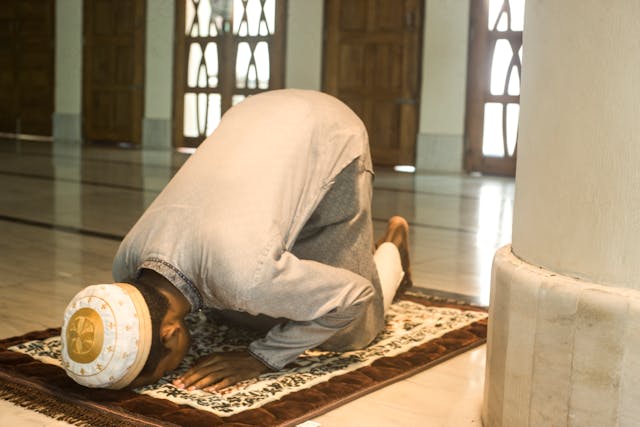

Prayer is one of the most important pillars of Islam and plays a central role in the daily lives of Muslims around the world. Muslims are required to offer five prayers every day at specific times. These prayers help believers stay connected to Allah, maintain discipline, and bring peace to their lives. Each prayer has its own spiritual meaning and timing, creating a balanced routine throughout the day.
Understanding the five daily prayer times is essential for every Muslim, especially for beginners who want to learn more about Islamic worship and its significance.
Importance of Daily Prayers in Islam
The five daily prayers, also known as Salah, are obligatory for adult Muslims. They are not just acts of worship but also a way to strengthen faith and spiritual awareness. Praying regularly reminds Muslims to stay grateful, humble, and mindful of their actions.
Daily prayers also encourage cleanliness, punctuality, and self-discipline. Muslims perform ablution before prayer, which promotes physical purity along with spiritual preparation.
The Five Daily Prayer Times
1. Fajr – The Dawn Prayer
Fajr is the first prayer of the day and is offered before sunrise. It marks the beginning of a new day and encourages Muslims to start their morning with remembrance of Allah.
This prayer consists of two obligatory units called Rakats. Waking up early for Fajr teaches discipline and dedication. The peaceful environment before sunrise creates a calm atmosphere for worship and reflection.
Fajr is considered highly rewarding because it requires effort and commitment. Many Muslims believe that beginning the day with prayer brings blessings and positivity throughout the day.
2. Dhuhr – The Midday Prayer
Dhuhr is the second daily prayer and is performed after the sun passes its highest point in the sky. It usually falls around midday when people are busy with work, studies, or daily responsibilities.
This prayer consists of four obligatory Rakats. Dhuhr serves as a reminder to pause from worldly activities and reconnect spiritually. It allows Muslims to take a break from stress and focus on inner peace.
Offering Dhuhr prayer regularly helps maintain balance between professional life and spiritual duties. It reminds believers that success should always be accompanied by gratitude and faith.
3. Asr – The Afternoon Prayer
Asr is the third prayer of the day and is offered in the late afternoon. It consists of four obligatory Rakats and is often seen as a reminder that the day is gradually coming to an end.
This prayer encourages Muslims to reflect on how they spent their day and whether they fulfilled their responsibilities honestly and respectfully.
Asr prayer also teaches consistency in worship. Even during busy schedules, Muslims are encouraged to stop and dedicate a few moments to prayer and remembrance of Allah.
4. Maghrib – The Sunset Prayer
Maghrib prayer is offered immediately after sunset. It marks the transition from day to night and consists of three obligatory Rakats.
The timing of Maghrib carries a special spiritual atmosphere because it is a moment of calmness after a long day. Families often gather around this time, making it an important part of daily Islamic life.
During the holy month of Ramadan, Muslims break their fast at Maghrib time before offering the prayer. This creates a strong connection between worship, gratitude, and community.
Many Muslims around the world use digital apps and online services to track accurate prayer schedules, including Prayer Time UAE, which helps believers stay informed about daily Salah timings.
5. Isha – The Night Prayer
Isha is the final prayer of the day and is performed at night after darkness has fully settled. It consists of four obligatory Rakats and is often followed by additional voluntary prayers.
Isha prayer gives Muslims the opportunity to end their day with worship and reflection. It allows believers to seek forgiveness, express gratitude, and ask for guidance before sleeping.
Praying Isha regularly creates a sense of peace and spiritual comfort. It also reminds Muslims that every day should end with remembrance of Allah.
Spiritual Benefits of the Five Daily Prayers
The five daily prayers provide numerous spiritual and emotional benefits. They help Muslims maintain a strong relationship with Allah and encourage mindfulness throughout the day.
Some important benefits include:
- Inner peace and mental calmness
- Improved discipline and time management
- Stronger connection with faith
- Reduction in stress and anxiety
- Increased gratitude and patience
Prayer also creates unity among Muslims, as millions of people around the world pray in the same direction toward the Kaaba in Makkah.
Importance of Praying on Time
Islam emphasizes offering prayers at their correct times. Each prayer has a specific time window, and praying within that period is highly encouraged.
Praying on time demonstrates obedience, sincerity, and dedication to Allah. It also helps Muslims organize their daily routines around spiritual priorities rather than worldly distractions.
Many people today use mobile applications, mosque announcements, and online Islamic platforms to receive accurate prayer reminders and notifications.
How Prayer Strengthens Daily Life
The structure of the five daily prayers creates a balanced lifestyle. Instead of becoming completely absorbed in work or personal activities, Muslims pause several times a day for worship and reflection.
This routine encourages:
- Better focus and mindfulness
- Positive habits and discipline
- Emotional stability
- Strong moral values
- A peaceful daily routine
Prayer acts as a spiritual recharge that helps believers remain patient, kind, and grateful even during difficult situations.
Final Thoughts
Understanding the five daily prayer times in Islam helps Muslims appreciate the beauty and wisdom behind Salah. From the peaceful moments of Fajr to the calm reflection of Isha, each prayer serves a unique purpose in strengthening faith and maintaining spiritual balance.
The daily prayers are more than religious obligations—they are a source of guidance, discipline, and inner peace. By praying regularly and on time, Muslims can develop a stronger connection with Allah and live a more meaningful life.