Top Strategies for Launching Real Estate Tokenization Projects Successfully
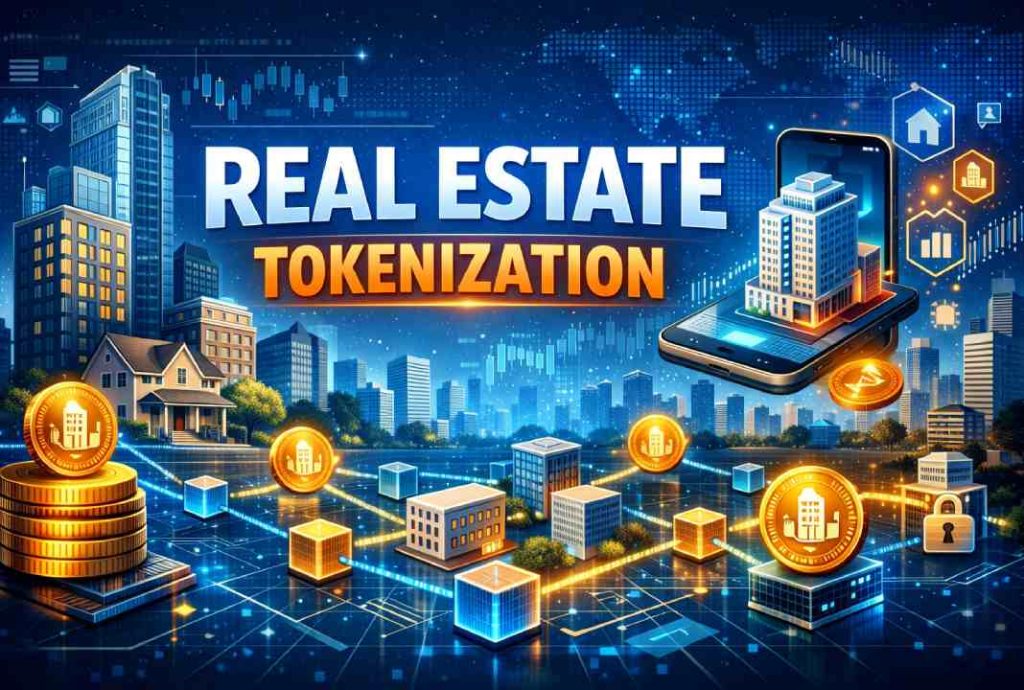
Real estate tokenization is rapidly transforming the property investment landscape. By leveraging blockchain technology, real estate assets can now be digitized, fractionalized, and traded globally, opening investment opportunities that were once limited to high-net-worth individuals or institutional investors. However, successfully launching a real estate tokenization project requires a blend of regulatory insight, technological expertise, market strategy, and investor engagement. This article explores the top strategies that developers, property owners, and investors should consider when planning a tokenized real estate project.
Understanding Real Estate Tokenization
Before diving into strategies, it is important to understand what real estate tokenization entails. In essence, tokenization is the process of converting ownership rights of a real estate asset into digital tokens recorded on a blockchain. Each token represents a fractional ownership stake in the property, which can be traded or sold.
This approach offers several advantages:
- Liquidity: Traditionally, real estate is illiquid, often requiring months or years to sell. Tokenization enables fractional ownership, which can be traded on digital marketplaces.
- Accessibility: Smaller investors can participate in high-value properties through fractional investments, democratizing access to real estate.
- Transparency: Blockchain records every transaction securely and immutably, increasing trust for investors.
- Automated Revenue Distribution: Rental income or dividends can be distributed automatically through smart contracts, reducing administrative overhead.
Despite these advantages, real estate tokenization is complex, involving regulatory compliance, technological infrastructure, and market adoption. Success depends on careful planning and execution.
1. Conducting Comprehensive Market Research
Market research is the foundation of any real estate tokenization project. Understanding your target audience, property type, investment demand, and competitive landscape is critical to making informed decisions. Comprehensive market research involves assessing the following factors:
- Property Type Selection: Evaluate which properties are most suitable for tokenization. High-value commercial properties, luxury residential complexes, or hospitality assets often provide the best ROI due to their potential for fractional ownership.
- Investor Analysis: Identify your potential investors, their risk appetite, and investment goals. Tokenized real estate appeals to both retail investors seeking smaller entry points and institutional investors looking for diversified portfolios.
- Market Trends: Study the current trends in real estate investment, blockchain adoption, and digital asset trading. Understanding these trends will help you position your project effectively.
- Regulatory Landscape: Research the legal framework governing tokenized real estate in your jurisdiction. Compliance with securities laws, property laws, and anti-money laundering regulations is non-negotiable for a successful launch.
By conducting detailed market research, project developers can refine their offerings, identify gaps in the market, and build strategies tailored to investor needs and regulatory requirements.
2. Ensuring Legal and Regulatory Compliance
Real estate tokenization involves the issuance of digital tokens representing ownership, which often classifies them as securities. Ensuring legal compliance is therefore critical to protect both investors and the project. Key strategies include:
- Engage Legal Experts: Partner with legal firms experienced in blockchain, securities, and real estate law. Legal counsel can help structure the tokenization process and define investor rights clearly.
- Compliance with Securities Laws: Depending on the jurisdiction, tokenized real estate may fall under securities regulations. Registering your tokens or qualifying for exemptions is essential to avoid legal issues.
- KYC/AML Procedures: Implement Know Your Customer (KYC) and Anti-Money Laundering (AML) protocols to verify investor identities and maintain compliance with financial regulations.
- Smart Contract Legal Audit: Ensure that smart contracts used for token issuance and revenue distribution are legally compliant and thoroughly audited to prevent disputes.
Legal compliance not only mitigates risk but also instills investor confidence. Transparent regulatory adherence is a critical factor in establishing credibility in the emerging tokenized real estate market.
3. Choosing the Right Technology Platform
The technological backbone of a tokenization project is its blockchain platform and token issuance system. Selecting the right technology is essential to ensure security, scalability, and ease of access for investors. Considerations include:
- Blockchain Selection: Ethereum, Binance Smart Chain, Solana, and Polkadot are popular platforms for tokenized assets. Each offers distinct features in terms of scalability, transaction speed, and cost.
- Smart Contract Development: Smart contracts automate token issuance, ownership transfers, and revenue distribution. Ensure your smart contracts are secure, audited, and optimized for performance.
- Integration with Secondary Markets: Consider how tokens will be traded on secondary markets or exchanges. Liquidity options enhance investor appeal and project success.
- User Interface and Experience: Provide investors with a seamless experience for purchasing, managing, and selling tokens. User-friendly platforms foster trust and engagement.
By choosing a reliable technology platform, developers can provide a secure and efficient environment for tokenized real estate investment, enhancing both investor confidence and operational efficiency.
4. Structuring the Token Economics
Token economics (or tokenomics) is critical in defining the financial structure, utility, and appeal of your tokenized real estate project. Proper tokenomics ensures that investors understand the potential returns and risks while creating sustainable value for the project. Key components include:
- Token Distribution: Define how tokens will be allocated among investors, developers, and other stakeholders. Fractional ownership models should reflect proportional equity.
- Revenue Sharing Mechanism: Implement clear rules for revenue distribution, whether it involves rental income, capital appreciation, or dividends.
- Liquidity Provisions: Consider token buyback options or secondary market listings to enhance liquidity.
- Incentive Structures: Design incentive mechanisms to attract early investors and long-term participants, such as discounted tokens or bonus rewards.
Transparent and well-structured tokenomics builds investor confidence, encourages participation, and ensures long-term sustainability of the tokenized real estate project.
5. Developing an Investor-Centric Marketing Strategy
Successful real estate tokenization projects rely on attracting and retaining investors. A robust marketing strategy communicates the project’s value proposition, growth potential, and security measures. Essential components include:
- Educational Content: Provide clear explanations of how tokenization works, its benefits, and associated risks. Educational webinars, whitepapers, and tutorials are effective tools.
- Targeted Campaigns: Use digital marketing strategies to reach specific investor segments, including retail investors, high-net-worth individuals, and institutional participants.
- Community Engagement: Build active online communities through social media, forums, and newsletters. Engaged investors are more likely to participate and promote the project.
- Strategic Partnerships: Collaborate with real estate firms, blockchain platforms, and financial institutions to expand reach and credibility.
By centering marketing around investor education and engagement, developers can foster trust, increase token adoption, and generate sustained interest in their projects.
6. Ensuring Transparency and Reporting
Transparency is a cornerstone of investor trust in tokenized real estate. Regular reporting and transparent operations help investors track the performance of their assets and make informed decisions. Strategies include:
- Automated Reporting Systems: Use blockchain technology to provide real-time reporting on token ownership, rental income, and capital appreciation.
- Audit and Verification: Engage third-party auditors to verify property valuations, smart contracts, and financial statements.
- Performance Metrics: Clearly communicate KPIs, occupancy rates, and revenue metrics to keep investors informed and confident.
Transparent reporting reduces investor uncertainty, increases confidence in the project, and supports long-term growth.
7. Managing Risk and Compliance Continuously
Tokenized real estate projects face various risks, including market volatility, regulatory changes, and operational challenges. Continuous risk management and compliance measures ensure project resilience. Key strategies include:
- Risk Assessment Framework: Identify potential risks related to property valuation, token liquidity, market demand, and legal compliance.
- Ongoing Compliance Monitoring: Regularly update legal and regulatory adherence as laws evolve.
- Insurance and Contingency Planning: Consider property and digital asset insurance to mitigate unforeseen losses.
- Technology Upgrades: Continuously enhance security protocols, smart contracts, and platform features to prevent breaches and technical failures.
Proactive risk management protects investors, strengthens project credibility, and ensures sustainable growth.
8. Leveraging Secondary Markets for Liquidity
One of the major advantages of tokenized real estate is the potential for enhanced liquidity. Enabling token trading on secondary markets can make the project more attractive to investors. Steps include:
- Exchange Listings: Collaborate with regulated security token exchanges to facilitate trading.
- Market Making: Implement mechanisms to maintain token liquidity and reduce price volatility.
- Cross-Border Accessibility: Ensure global investors can participate in trading, subject to regulatory constraints.
Liquidity options enhance investor confidence and allow participants to exit or rebalance their positions efficiently, making the project more competitive in the market.
9. Focusing on Post-Launch Engagement
The success of a real estate tokenization project does not end at the token launch. Post-launch engagement ensures sustained growth and investor satisfaction. Effective strategies include:
- Regular Updates: Provide consistent updates on property performance, token metrics, and strategic initiatives.
- Community Feedback: Engage with investors to gather feedback and improve the platform experience.
- Reinvestment Opportunities: Offer additional investment rounds or new tokenized assets to retain investor interest.
- Loyalty Programs: Incentivize long-term token holders with rewards, exclusive access, or voting rights in property decisions.
Active post-launch engagement strengthens investor trust, promotes loyalty, and supports future tokenized real estate projects.
10. Emphasizing Sustainability and ESG Integration
Integrating environmental, social, and governance (ESG) principles in real estate tokenization projects is increasingly important. Sustainable projects appeal to socially conscious investors and may benefit from favorable financing conditions. Strategies include:
- Sustainable Property Management: Implement energy-efficient operations, green certifications, and sustainable construction practices.
- Transparent ESG Reporting: Provide detailed reports on ESG performance and sustainability metrics.
- Community Impact: Highlight the positive social and economic impact of tokenized real estate investments.
Sustainability adds value to the project, attracts a wider investor base, and aligns tokenized real estate with emerging global standards.
Conclusion
Launching a successful real estate tokenization project requires a multi-faceted approach that combines legal compliance, advanced technology, strategic marketing, transparent operations, and investor-centric practices. By conducting thorough market research, implementing robust tokenomics, ensuring regulatory adherence, and fostering investor trust through transparency and engagement, developers can unlock the transformative potential of real estate tokenization. As the industry evolves, these strategies will be crucial in attracting global investors, enhancing liquidity, and driving the future of digital real estate ownership.
By following these top strategies, real estate developers and investors can navigate the complexities of tokenized assets, create sustainable investment opportunities, and establish a competitive edge in the rapidly growing digital real estate market.














Post Comment