Genicular Artery Embolization Cost in India – Is It Worth It? A Complete Patient Guide”
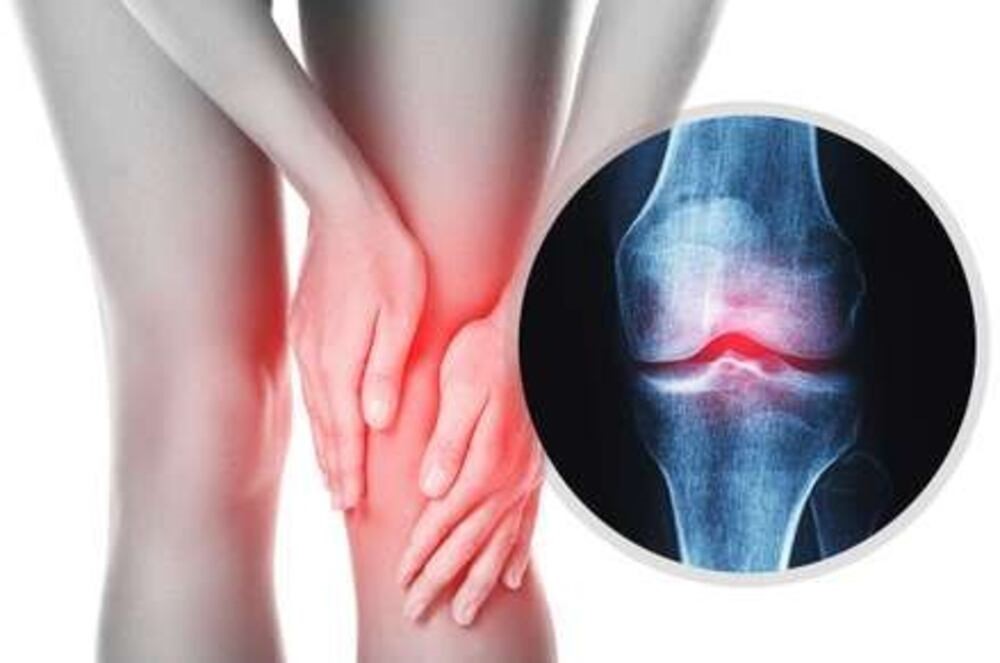
Knee pain is not just a physical problem. Ask anyone who has been dealing with it for years — it quietly takes away the things that matter most. The evening walks. Playing with grandchildren. Climbing the stairs without grabbing the railing. If this sounds familiar, you are not alone, and more importantly, you are not out of options.
Genicular Artery Embolization — commonly called GAE — has started making serious waves in India’s medical landscape. People who were told their only option was knee replacement surgery are now walking out of hospitals the same day, with a small bandage on their wrist and renewed hope in their step. But before anything else, the question most patients ask is straightforward: what does genicular artery embolization cost in India, and is it actually accessible?
Let’s break it all down — honestly, clearly, and completely.
What Exactly Is Genicular Artery Embolization?
GAE is a non-surgical procedure performed by interventional radiologists. In patients with knee osteoarthritis, the body develops abnormal tiny blood vessels around the knee joint. These vessels are not supposed to be there — they essentially “feed” the inflammation, keeping the pain cycle going no matter how many painkillers or injections you take.
During GAE, a specialist inserts a very thin tube (catheter) — usually through the wrist — and navigates it toward these abnormal vessels using live X-ray imaging. Tiny particles called microspheres are then released to block them. Once the blood supply to those inflammatory vessels is cut off, the knee’s pain environment changes significantly.
No bone cutting. No implants. No general anesthesia. Most patients go home the same day.
For a country where millions of people hesitate to go under the knife due to age, health risks, family responsibilities, or simply fear — GAE is genuinely changing the conversation around knee pain treatment.
Who Should Consider This Procedure?
GAE works best for people who fall into specific categories. You might be a strong candidate if:
- Your knee pain has persisted for more than six months despite medication and physiotherapy
- Your MRI or X-ray shows mild to moderate osteoarthritis (Grade 1 to Grade 3)
- You have tried steroid injections or PRP and experienced only temporary relief
- You are not medically fit for knee replacement surgery due to diabetes, heart disease, or obesity
- You are mentally and emotionally not ready for a major surgical procedure
- You want to delay knee replacement as long as responsibly possible
Age is not a strict barrier. Patients in their 40s right through their 70s have undergone this procedure successfully across India.
Genicular Artery Embolization Cost in India — Full Breakdown
This is the section most people scroll to first, and rightfully so. Healthcare costs in India vary enormously depending on where you go and who performs the procedure.
The genicular artery embolization cost in India generally falls between ₹1,20,000 and ₹2,50,000 for a single knee. Here is what that number actually covers and what drives it up or down:
What influences the final price:
Type of microspheres used — This is often the largest cost variable. Premium embolic agents imported from Europe or the US are more expensive but deliver more consistent results.
Single or both knees — If the doctor recommends treating both knees in one sitting, costs increase but are usually lower than two separate procedures.
Imaging and workup before the procedure — MRI scans, blood tests, and pre-procedure angiography planning can add ₹15,000 to ₹40,000 depending on what is already available.
City and facility — Procedures in metro cities tend to cost slightly more. However, the quality gap between top-tier cities and well-equipped Tier 2 centres has reduced considerably in recent years.
Specialist’s experience — This should never be the area where you try to save money. The interventional radiologist’s skill directly determines both the safety and success of the procedure.
Post-procedure follow-up — Some centres include follow-up consultations and physiotherapy guidance in the package; others bill separately.
Comparing GAE to Knee Replacement:
Total knee replacement in India costs between ₹3,00,000 and ₹6,00,000 per knee — and that does not account for 6 to 12 weeks of restricted movement, caregiver support, rehabilitation costs, and time away from work. GAE, by comparison, has patients resuming light daily activities within days.
For working professionals, homemakers, older adults living independently, or anyone who simply cannot afford a long recovery — the value proposition of GAE goes far beyond the price tag.
What the Procedure Experience Actually Looks Like
Many patients feel nervous going in, mostly because they have only ever experienced surgery before. GAE is quite different.
In the weeks that follow, the knee gradually settles. Pain reduction is typically noticeable within two to four weeks, with continued improvement building over the next three to six months. Adding light physiotherapy during recovery helps reinforce the gains significantly.
IRFacilities and Dr. Sandeep Sharma — Why Patient Trust Matters
Choosing where to get this procedure done is just as important as deciding to get it done. IRFacilities has built a strong reputation in interventional radiology care by keeping patient outcomes — not volume — at the center of everything.
Doctor Sandeep Sharma, who is the director of GAE techniques at the centre, offers the combination of technical expertise and genuine patient interaction that’s not often easy to locate. Patients often mention that the doctor is able for explaining the treatment in simple terms, manages expectations in a professional manner and is accessible throughout the recovery process. This kind of care can make a an impact especially for the first time radiology intervention patients navigating unfamiliar medical terrain
The Broader Reality — Why GAE Matters in India Right Now
India carries one of the heaviest burdens of osteoarthritis in the world. Conservative estimates suggest over 180 million Indians are affected — and a large chunk of them are not getting adequate treatment because surgery feels too risky, too expensive, or too disruptive to their lives.
GAE does not solve every case. But for the right patient, it is an evidence-backed, minimally invasive, cost-effective answer that modern medicine has been slow to make mainstream — until now.
If you have been sitting with chronic knee pain and quietly waiting for a better option, this might be it.












Post Comment