Debunk Common Myths That are Secretly Ruining Your Chances of Getting a USA Study Visa
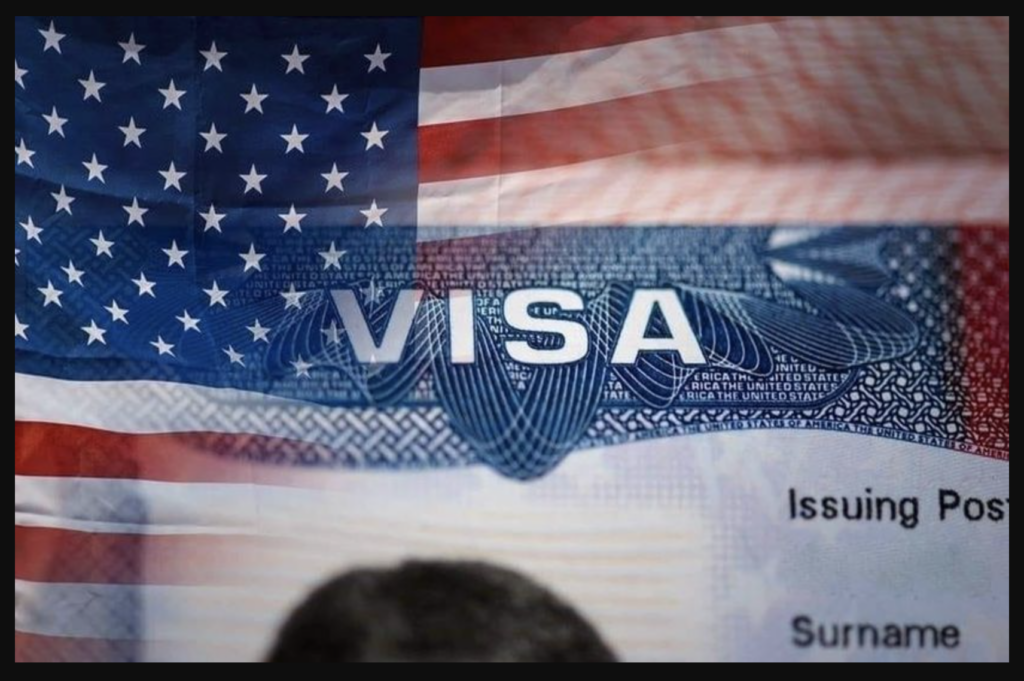
Imagine doing everything right, whether it is scoring high in the PTE exam, arranging your funds or achieving an LOA from a top university- yet you face rejection. Sounds disappointing right? Reason might shock you to the core. What if the major reason for rejection isn’t your profile but the myths you keep following while preparing for a USA visa interview? There is no denying the fact that myriads of students unknowingly sabotage their opportunity to study in the USA every year just because they start working on the misleading advice given by their relatives or friends.
Mind you, the entire USA visa process is not a guessing game at all, but a strategic evaluation. Before entering the visa interview room, it’s important to separate facts from fiction. In this blog, we have uncovered the most common myths that are secretly deteriorating your chances of studying in your dreamland. For more refined guidance you can rely on the shoulders of the visa consultant.
Myth 1: A high English Proficiency test Score is Enough
Yes, scoring impressively in your IELTS/PTE/TOEFL/Duliongo definitely enhances your chances to study in the USA, but it does not guarantee your visa. Most of the students believe that attaining a high score in the English Proficiency test can leave a long-lasting impression on the mind of the interviewer. Moreover, they believe that with this, they can easily get their visa. Students need to accept that their chances of attaining a USA visa might increase but only relying on this factor might take them closer to rejection. From academic background to course relevance, the visa officer looks at your overall profile. Always remember that an outstanding academic score without proper clarity of purpose can create doubts in the mind of a visa officer. The right USA study visa consultants can also help you get your USA visa effortlessly.
Myth 2: Showcasing large funds can guarantee a USA study visa
Financials do play a major role but entirely depending on it is not a wise thing to do. In fact, sudden funding can also raise doubts and certainly lead to visa rejection. The visa officer often wants to see legitimate and all kinds of traceable sources of income. You often need to provide a clear plan of funding to magnetise the attention of the visa officer. Keep in mind that a well-structured financial profile is far more mind-bending than just displaying big numbers. If you require true assistance related to funding then you can easily connect with the best consultant for a USA study visa.
Myth 3: Selecting any program is fine
Some of the students usually pick random courses just because they got an offer from any university. It is often seen that students pick the courses randomly without aligning with their previous education. The visa officer often wants your course to make sense with your career goals. Your academic background should properly align with your picked course. If you are from a technical background and you choose to switch to a medical field without explaining the right reasons. In that case, a US visa officer can easily reject you. This is where the best immigration consultants help you select the course strategically.
Myth 4: Memorising answers will help you attain a visa
Do you think memorising scripted answers will help you? Not at all! This can actually backfire. Visa officers usually find out that you are giving rehearsed responses. They always look for genuine intent, honest answers and clear-cut communication. Instead of memorising, try to focus on depicting your own story beautifully. Do not just learn the answers, instead try to get the wholesome idea about your own profile. The main harm in memorising the answers is that there might be chances that you will not feel very confident and can also fumble during the time of interview.
Myth 5: Fluent English Guarantees Approval
Your advanced English speaking skills will not definitely guarantee your visa approval. While magnificent communication skills are crucial for your visa interview, this is not the only deciding factor. Visa officers are not properly testing your accent or pronunciation. They are just assessing your intent to study genuinely and stating your ties to your homeland. There is no denying the fact that you can be highly fluent in English and still face rejection if your intent seems weak.








Post Comment