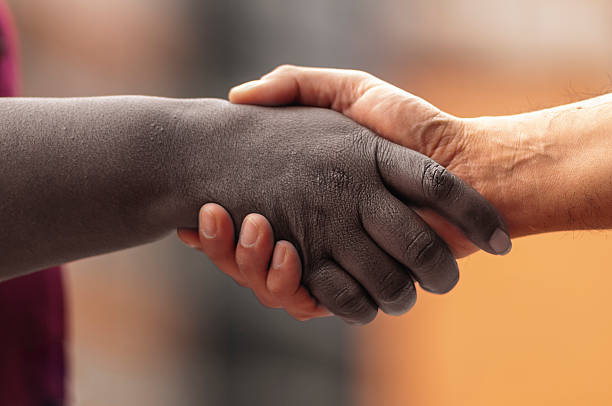

Social harmony is not an accidental outcome of coexistence.
Rather, it is a continuous process shaped by values, actions, and shared responsibilities.
Societies do not become harmonious simply because people live side by side.
Harmony develops when individuals and groups choose cooperation over conflict.
It also grows when institutions promote fairness, dialogue, and inclusion.
Among the most vital forces behind harmonious societies are reconciliation and peace.
They allow communities to move beyond conflict, resentment, and division.
Without these forces, mistrust often grows, and social bonds weaken over time.
Unresolved tensions can gradually erode relationships between social groups.
As a result, communities may experience cycles of misunderstanding and hostility.
Reconciliation addresses the emotional and historical wounds left by conflict.
Peace, meanwhile, creates conditions for stability, cooperation, and mutual growth.
Together, they provide a framework for inclusive and resilient societies.
In an increasingly interconnected world, their role has become even more critical.
This article explores how reconciliation and peace contribute to social harmony, while also acknowledging the challenges involved in achieving them.
Understanding Reconciliation
Meaning and Purpose of Reconciliation
Reconciliation is a deliberate process of repairing broken relationships.
It involves acknowledging harm, accepting responsibility, and seeking mutual understanding.
Unlike forgiveness alone, reconciliation requires effort from individuals and institutions.
It demands honesty, accountability, and a willingness to listen.
These elements help transform conflict into opportunities for learning.
In societies affected by conflict, reconciliation helps communities confront painful histories.
Ignoring the past often allows resentment to persist beneath the surface.
Reconciliation encourages honest dialogue and recognition of shared humanity.
By doing so, it prevents cycles of revenge and recurring violence.
This process does not erase past suffering or injustice.
Instead, it transforms pain into a foundation for growth and awareness.
Reconciliation as a Social Healing Mechanism
Social harmony depends heavily on emotional and psychological healing.
When grievances remain unaddressed, they often resurface as hostility or discrimination.
Reconciliation creates spaces where victims and perpetrators can engage constructively.
These spaces allow individuals to express pain without fear of dismissal.
Truth commissions, community dialogues, and restorative justice programs support this goal.
They encourage accountability while promoting empathy and understanding.
Moreover, reconciliation strengthens civic trust across communities.
People become more willing to cooperate when they feel heard and respected.
This trust enhances participation in public life and democratic processes.
As a result, societies move closer to shared values and collective responsibility.
Peace as a Foundation for Stability
Role of Peace in Social Development
Peace provides the stable environment necessary for social and economic development.
Without peace, institutions struggle to function effectively.
Fear and insecurity often replace cooperation and innovation.
Communities may then prioritize survival over progress and inclusion.
Therefore, peace is not merely the absence of war.
It is the presence of justice, opportunity, and security.
Peaceful societies can focus on building infrastructure and human capital.
They also invest in long-term solutions rather than emergency responses.
Peaceful environments allow governments and communities to prioritize education and welfare.
For example, initiatives that aim to Support children’s education in Georgia highlight how peace enables sustainable development.
When communities are free from violence, resources can support future generations.
Education then becomes a unifying force rather than a contested privilege.
This investment strengthens social cohesion and shared identity over time.
Peace as a Shared Social Responsibility
Peace requires active participation from governments, civil organizations, and individuals.
Policies promoting equality and inclusion reinforce peaceful coexistence.
At the same time, citizens must practice tolerance and empathy daily.
Peace cannot survive if responsibility rests on institutions alone.
Media, religious leaders, and educators also shape peaceful narratives.
They influence how differences are perceived and managed within society.
Positive messaging encourages dialogue rather than polarization.
When peace is treated as a shared responsibility, social harmony becomes sustainable.
Thus, peace serves as the foundation upon which reconciliation efforts can succeed.
Impact on Social Harmony
Building Mutual Respect and Inclusion
Reconciliation and peace directly promote mutual respect among diverse groups.
They encourage recognition of cultural, ethnic, and ideological differences.
Instead of viewing diversity as a threat, societies begin to see it as a strength.
This shift in perception reduces fear and misunderstanding.
Inclusive policies further reinforce this mindset.
They ensure equal access to opportunities and public services.
When people feel valued, social tensions decrease significantly.
A sense of belonging strengthens loyalty to shared societal goals.
This feeling of inclusion is essential for lasting social harmony.
Strengthening Community Cooperation
Harmonious societies rely on cooperation at every level.
Reconciliation rebuilds interpersonal trust, while peace ensures collective security.
Together, they enable communities to address shared challenges effectively.
Environmental issues, economic inequality, and public health require collective action.
Local initiatives often demonstrate this impact clearly.
Community rebuilding projects unite people around common goals.
Such collaboration fosters solidarity and reduces social fragmentation.
People learn to rely on one another rather than compete destructively.
Over time, cooperation becomes a cultural norm rather than an exception.
Challenges to Achieving Reconciliation and Peace
Lingering Grievances and Historical Trauma
Despite their importance, reconciliation and peace are difficult to achieve.
Historical trauma often leaves deep emotional scars.
These wounds may persist across generations if left unaddressed.
Memories of injustice can shape identities and group narratives.
Mistrust can undermine reconciliation efforts quickly.
Victims may fear injustice or insincerity in the process.
Meanwhile, perpetrators may resist accountability or acknowledgment.
Addressing these concerns requires patience and transparent processes.
Without trust, even well-designed initiatives may fail.
Structural Inequality and Social Injustice
Peace cannot thrive where inequality remains entrenched.
Economic disparities and political exclusion fuel resentment.
They weaken trust in institutions and social contracts.
Marginalized groups may feel disconnected from national identity.
Therefore, reconciliation must align with social justice.
Legal reforms, fair governance, and equal opportunities are essential.
Justice strengthens confidence in peace-building efforts.
Without these measures, peace initiatives risk appearing symbolic.
True harmony requires both emotional healing and material fairness.
Risk of Superficial Solutions
Another challenge involves superficial or rushed approaches.
True reconciliation cannot be imposed or accelerated artificially.
It demands long-term commitment and consistent engagement.
Short-term programs may fail to address deeper causes of conflict.
Similarly, peace agreements must confront root causes directly.
Temporary ceasefires rarely ensure lasting harmony.
Sustainable solutions require inclusive dialogue and continuous evaluation.
Only then can peace endure beyond political cycles.
Conclusion
Reconciliation and peace are central to achieving social harmony.
They address both emotional healing and structural stability.
Together, they help societies move beyond division toward shared purpose.
Their combined impact strengthens social bonds and resilience.
Reconciliation restores trust by confronting past injustices honestly.
Peace, meanwhile, creates conditions for growth and cooperation.
They reinforce inclusion, respect, and mutual responsibility.
However, these processes face significant challenges.
Historical trauma, inequality, and superficial solutions can hinder progress.
Overcoming these obstacles requires sustained commitment from all social actors.
Governments, communities, and individuals must work together consistently.
Ultimately, social harmony is not a static achievement.
It is an ongoing journey shaped by dialogue, justice, and empathy.
By prioritizing reconciliation and peace, societies invest in a more unified, stable, and hopeful future.