Is Vicodin Safe During Pregnancy? Risks, Side Effects, and Safer Alternatives
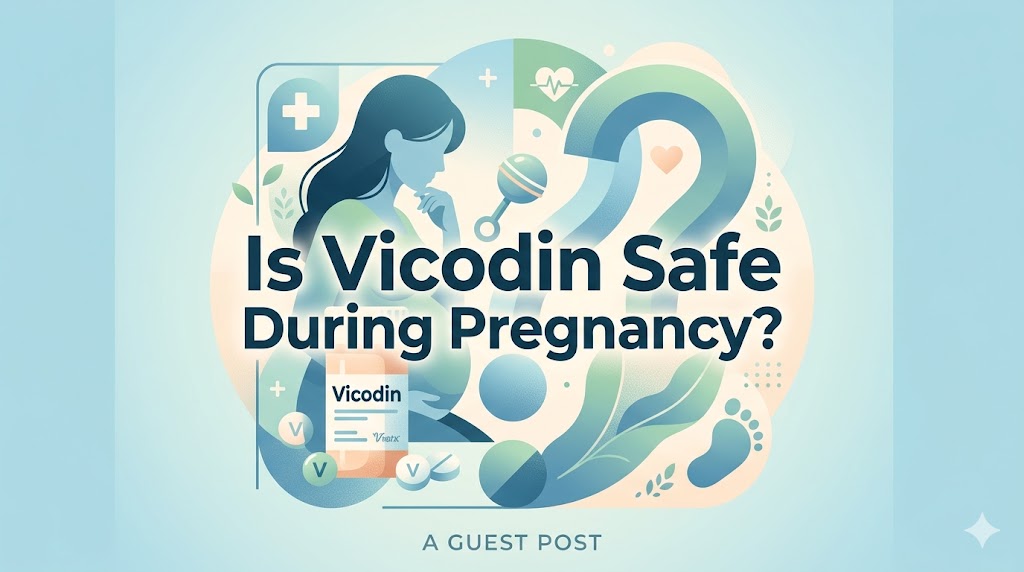
Because of the sensitivity of a developing fetus to substances, it is generally recommended that women be drug-free during pregnancy; however, some women may require medication to manage severe pain or chronic conditions. When taken regularly, Vicodin can lead to dependency in the mother and increase the risk of serious complications for the baby. It is not considered entirely safe or dangerous (often falling into a category requiring careful risk-benefit analysis), but it is associated with specific risks if used for a prolonged period.It is addictive in nature, but Vicodin addiction treatment is possible in a drug rehab center. Women, while taking Vicodin during pregnancy, often navigate a complex, highly monitored medical, physical, and social landscape.
About Vicodin and its key details
Vicodin is a prescription combination medication containing hydrocodone,i.e, a semi-synthetic opioid/narcotic analgesic, and acetaminophen,i.e, a non opioid pain reliever. It is classified as a Schedule 3 controlled substance, which is used to manage moderate to severe pain by acting on the central nervous system. Common Dosages as recommended: Typically contains 5 mg, 7.5 mg, 10 mg of hydrocodone combined with 325 mg of acetaminophen. The most worrisome point about Vicodin is its side effects; the most common side effects include constipation, nausea, sedation, and dizziness. It’s better to recommend to the doctor and take proper medications as guided by them.
Types of Vicodin
- Immediate Release (IR): This is the standard tablet form, which is intended for fast-acting pain relief.
- Combination products: It is important to know that Vicodin is a type of combination drug. The acetaminophen component has a maximum recommended daily dose of 4000 mg for preventing damage to the liver.
Is Vicodin During Pregnancy Safe?
Using Vicodin (hydrocodone/acetaminophen) during pregnancy is generally not considered safe and carries significant risks, particularly with prolonged use. It is classified by the FDA as Category C, meaning risks to the fetus cannot be ruled out, and it can cause life-threatening Neonatal Opioid Withdrawal Syndrome (NOWS/NAS) in newborns. Studies find that people who are pregnant and take opioids in higher doses or for longer than recommended by their healthcare providers (i.e., misuse or “abuse” opioids) have an increased chance of pregnancy problems. These include poor growth of the baby, stillbirth, preterm delivery, and need for a C-section.
Pros and Cons of Vicodin in Pregnancy
CONS( Adverse effects):
- Neonatal opioid withdrawal syndrome (NOWS): Babies exposed to narcotics in utero often develop physical dependence and experience withdrawal after birth, which can be life-threatening to them if not managed. Symptoms include high-pitched crying, irritability, tremors, vomiting, and diarrhea.
- Pregnancy complication: Increased risk of preterm labor, stillbirth, and premature separation of the placenta (placental abruption) and birth of children with abnormal features.
- Fetal Growth Issues: Poor fetal growth, low birth weight, and smaller head circumference, among many other issues, which put the children in difficulties.
- Long-term Effects: Potential developmental, cognitive, behavioral, and abnormal issues in children.
- Maternal Risks: Increased risk of infections (HIV, Hepatitis C if using intravenous drugs), respiratory failure, and, in the case of illicit use, overdose or taking more than recommended by the professionals.
- Labour Impacts: Opioids can prolong labour by reducing the strength, duration, and frequency of contractions and also cause preterm birth of the child, which puts both lives at risk and causes difficulties.
Pros (Benefits and Management):
- Controlled management of pain: In rare cases of severe pain, short-term, medically supervised, and carefully tapered use may be necessary, provided the benefits to the mother outweigh the potential risks to the fetus without putting the child to extreme risk.
- Improved Outcomes with MAT (Medication-Assisted Treatment): For those with opioid addiction, switching to prescribed methadone or buprenorphine under a doctor’s care, guidance, and observation is considered a “pro” compared to continued illicit use of the drugs. It reduces risks of overdose and difficulties, and provides better prenatal care, leading to more stable, though still risky, pregnancy outcomes.
Safer Pain Management Alternatives
If you are currently taking Vicodin, you should discuss safer alternatives with a trained professional or with your personal doctor.
- First-Choice Medication: Paracetamol (Acetaminophen), which is widely known in our country, is generally considered the safest painkiller to consume during pregnancy at standard, as recommended doses, according to professionals.
- Short-Term Opioid Use: If severe pain requires stronger medication, doctors may use the lowest effective dose of morphine, fentanyl, or hydromorphone for the shortest time possible.
- Non-Pharmacological Approaches: It is being approached by Physical therapy, gentle exercise, or relaxation techniques are preferred.
- NSAIDs (Ibuprofen/Naproxen): Should be avoided after 20-30 weeks of pregnancy, as they may cause issues with fetal kidney function or amniotic fluid.
Recommendations
Do not stop suddenly: If you have been taking Vicodin regularly, then do not stop the usage of Vicodin in an instant or abruptly, as this can harm one’s body by causing harm to the fetus and the womb. By consulting a doctor and discussing pain management alternatives with them, such as physical therapy or non-opioid medications, with your healthcare provider, you can be more effective than examining on your own. Notify providers,i.e, inform all healthcare providers, including your OB-GYN and pediatrician, that you have been taking all these types of medications and all. After informing the providers, it will be more effective, and you will get your proper medications from a trained professional.
How to Reduce Vicodin Gradually (Tapering)
Do not stop taking Vicodin suddenly or abruptly during your pregnancy if you are consuming it on a regular basis, as it can harm both the mother and the child. If you are taking Vicodin regularly for 7 to 10 days, a supervised tapering plan is required.
Supervised Taper: A doctor or specialist will create a slow taper, such as reducing the total daily dose over a specific time period. The rate of reduction can vary depending on individual circumstances
.
Taper Strategy: A common method is to maintain the same interval between doses but cut down the quantity over a few days, often focusing on the nighttime dose last.
Medication-Assisted Treatment (MAT): For opioid dependency treatment, doctors may switch you to safer long-acting options like methadone or buprenorphine.
Considerations
Neonatal Monitoring: If you have used opioids for a prolonged period, your baby must be monitored after birth for Neonatal Abstinence Syndrome( NAS). Also, if you are stable on your medication, breastfeeding may be encouraged to help in order to reduce the severity of Neonatal Abstinence Syndrome (NAS), which is absolutely safe for a child.
Key Risks While Using Vicodin During Pregnancy
- Birth Defects: Studies suggest potential risks for congenital heart defects, neural tube defects, and abdominal wall defects (gastroschisis).
- Safety Category: There are no controlled human studies, but it is considered high-risk, falling under FDA warnings for opioid use during pregnancy.
- Safety Profile: Acetaminophen alone is generally considered safer, but the hydrocodone component carries a significant risk.
CONCLUSION
Based on recent research and clinical guidelines, the use of Vicodin,i.e, hydrocodone and acetaminophen during pregnancy should generally be avoided or limited to the lowest effective dose for the shortest duration possible, as it carries risks for both the mother and the developing fetus. Vicodin is classified as an FDA Pregnancy Category C medication, meaning that while it is sometimes necessary to treat severe pain, it has the potential to cause harm, and studies on its safety in humans are limited. For chronic non-cancer pain, opioids should not be used as first-line therapy. For acute, necessary pain, the lowest effective dose should be used, preferably for less than 48 hours.









Post Comment