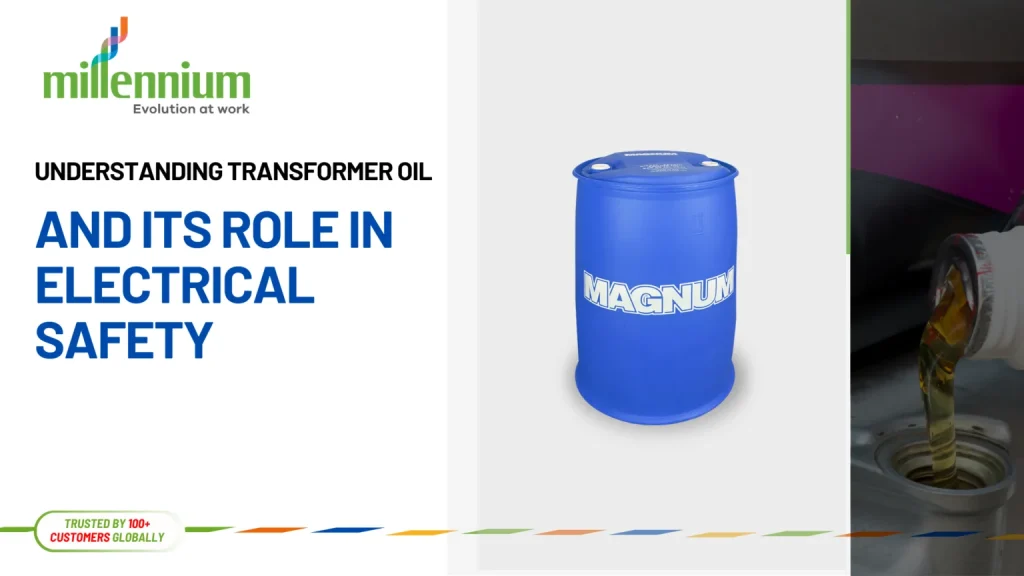

Electrical transformers are among the most important components in modern power systems. They help regulate voltage levels and ensure the smooth transmission of electricity across residential, commercial, and industrial sectors. To operate efficiently and safely, transformers rely on a specialized fluid known as transformer oil. This oil plays a major role in maintaining electrical stability, reducing heat, and protecting internal transformer components from damage.
As industries continue to demand uninterrupted power supply and higher equipment efficiency, understanding the role of transformer oil becomes increasingly important. Proper oil selection and maintenance can significantly improve transformer lifespan and overall electrical safety.
What Is Transformer Oil?
Transformer oil is a highly refined insulating and cooling fluid used inside transformers, circuit breakers, and other high-voltage electrical equipment. It is generally produced from mineral oil, although synthetic and natural ester-based oils are also used in certain applications.
The oil performs two essential functions: electrical insulation and heat dissipation. Inside a transformer, high-voltage components are placed very close to one another. The oil creates a protective barrier that prevents electrical discharges while also carrying away heat generated during operation.
The effectiveness of transformer oil insulation helps maintain stable transformer performance under varying electrical loads and environmental conditions. Without proper insulation, transformers would face increased risks of short circuits, overheating, and system failure.
Why Transformer Oil Is Crucial to Electrical Safety
Electrical safety is one of the primary reasons transformer oil is so important. Transformers operate under extremely high voltage levels, and any insulation failure can lead to dangerous electrical faults, fires, or equipment breakdowns.
Transformer oil minimizes these risks by insulating live internal parts and suppressing arc formation. It also prevents oxidation and contamination that may damage transformer windings and core components over time.
In industrial plants, substations, renewable energy facilities, and power distribution networks, transformer oil serves as a protective medium that helps maintain safe and uninterrupted operations. A properly maintained transformer oil system not only protects expensive equipment but also safeguards personnel working around electrical installations.
Dielectric Strength: The Heart of Oil Performance
One of the key properties that determine transformer oil quality is its ability to resist electrical breakdown. This characteristic is known as the dielectric strength of transformer oil. It measures how much electrical stress the oil can withstand before it fails as an insulator.
When transformer oil becomes contaminated with moisture, dust, or oxidation products, its dielectric strength decreases. This can result in electrical discharge, overheating, and internal damage to transformer components.
Maintaining high dielectric strength is essential for reliable transformer operation. Regular oil testing allows maintenance teams to detect contamination early and take corrective actions before serious issues occur. Clean, high-quality oil improves operational safety and extends equipment service life.
The Cooling Role of Transformer Oil
Transformers generate significant amounts of heat during normal operation. If this heat is not effectively controlled, internal insulation materials can deteriorate rapidly, reducing transformer efficiency and lifespan.
Transformer oil acts as a cooling medium by absorbing heat from transformer windings and carrying it away to cooling radiators or external cooling systems. This continuous heat transfer process helps maintain stable operating temperatures.
Efficient cooling is especially critical in heavy industrial applications where transformers operate continuously under high electrical loads. Proper cooling prevents thermal stress, reduces the risk of insulation failure, and improves overall system reliability.
Maintenance and Testing: Keeping the System Safe
Routine maintenance and oil testing are essential for ensuring transformer reliability and electrical safety. Over time, transformer oil may degrade due to oxidation, heat exposure, moisture contamination, and aging.
Regular inspections help identify changes in oil condition before they affect transformer performance. Preventive maintenance reduces the risk of unexpected failures and minimizes costly downtime.
Oil filtration, moisture removal, and periodic replacement are commonly used maintenance practices that help preserve transformer efficiency and extend equipment life.
Key Diagnostic Tests
Several diagnostic procedures are used to monitor transformer oil condition and detect potential issues:
- Breakdown Voltage Test: Evaluates the oil’s insulation capability.
- Dissolved Gas Analysis (DGA): Detects gases generated by overheating or electrical faults.
- Moisture Content Test: Measures water contamination levels in the oil.
- Acidity Test: Identifies oxidation and oil aging.
- Flash Point Test: Determines the oil’s fire resistance properties.
- Interfacial Tension Test: Measures contamination and degradation levels.
These tests provide valuable information about transformer health and help maintenance teams make informed decisions regarding repairs or oil replacement.
Testing Frequency
Transformer oil testing schedules vary depending on equipment size, operating conditions, and criticality. However, general recommendations include:
- Annual testing for standard industrial transformers.
- More frequent testing for heavily loaded or high-capacity transformers.
- Immediate testing after major electrical faults or overheating incidents.
- Additional monitoring in humid or dusty environments.
Establishing a routine testing schedule improves reliability and helps prevent unexpected transformer failures.
Safety and Environmental Compliance
Modern electrical industries must meet strict environmental and safety regulations related to transformer operation and oil handling. Proper storage, transportation, and disposal of transformer oil are necessary to prevent environmental contamination and workplace hazards.
Many organizations now prefer environmentally friendly transformer oils with biodegradable properties and improved fire safety characteristics. Leak prevention systems, spill control procedures, and proper maintenance practices also help industries comply with international safety standards.
Safe oil management not only protects the environment but also improves operational efficiency and employee safety.
Why Choose MAGNUM Transformer Oils
MAGNUM Transformer Oils are developed to meet the demanding requirements of modern electrical systems. These oils provide excellent insulation performance, thermal stability, oxidation resistance, and long operational life.
Manufactured using advanced refining technology, MAGNUM Transformer Oils help improve transformer efficiency while reducing maintenance requirements. Their superior cooling and insulation properties make them suitable for power utilities, industrial plants, substations, and renewable energy applications.
By choosing MAGNUM Transformer Oils, businesses can improve transformer reliability, minimize downtime, and ensure safer electrical operations.
Best Practices for Extending Transformer Life
To maximize transformer performance and lifespan, industries should follow these best practices:
- Perform routine oil testing and inspections.
- Maintain proper transformer loading conditions.
- Keep transformer systems clean and dry.
- Address oil leaks and contamination immediately.
- Use high-quality transformer oils from trusted suppliers.
- Monitor temperature and cooling performance regularly.
- Maintain detailed maintenance records for future analysis.
These preventive measures help improve operational reliability and reduce maintenance costs over time.
Final Word
Transformer oil is an essential component in maintaining the safety, efficiency, and reliability of electrical transformers. Its ability to provide insulation and cooling makes it critical for preventing electrical faults, overheating, and equipment damage.
With proper maintenance, regular testing, and the use of premium-quality products like MAGNUM Transformer Oils, industries can significantly extend transformer life and improve overall electrical system performance. Investing in high-quality transformer oil solutions is not only a smart operational decision but also a vital step toward ensuring long-term electrical safety.