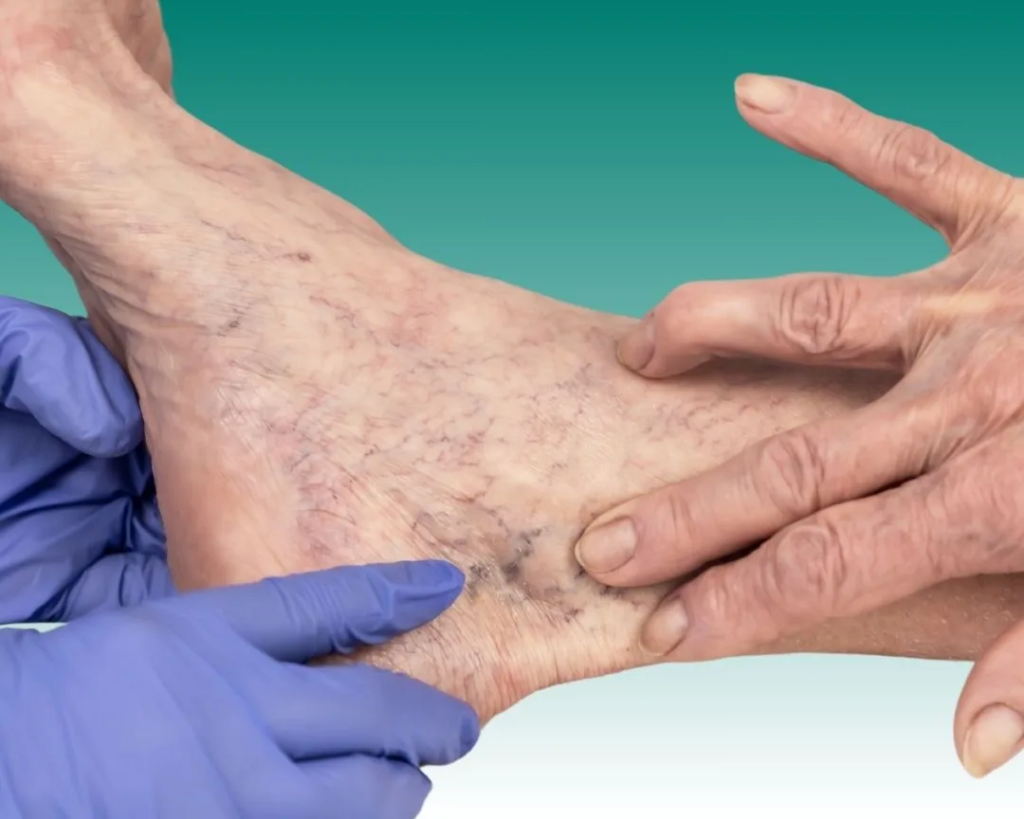

Sclerotherapy is a time-tested medical procedure primarily utilized to address vascular issues such as spider veins and smaller varicose veins. Over the decades, it has evolved from rudimentary experiments into a refined, gold-standard treatment in clinical phlebology. While many consider it for aesthetic reasons, the procedure is deeply rooted in medical science, aimed at restoring healthy blood flow by eliminating non-functional vessels.
One of the reasons this treatment remains a preferred choice for Sclerotherapy in Abu Dhabi and globally is its minimally invasive nature. Unlike traditional surgeries that might involve general anesthesia or long hospital stays, this method is typically performed in a clinical setting in under 30 minutes. The procedure focuses on precision, allowing practitioners to target specific problematic veins without impacting the surrounding healthy tissue.
- Standard Treatment: It is widely recognized as the primary method for eliminating spider veins and small varicose veins.
- Minimal Downtime: Most patients can resume their daily routines almost immediately after the session.
- Clinical Efficacy: Modern solutions and techniques have significantly improved the success rate and patient comfort.
- Precision Care: Practitioners use fine needles to deliver treatment directly where it is needed.
How Sclerotherapy Works: The Science of Vein Closure
The fundamental principle of sclerotherapy involves the injection of a specialized medicinal solution, known as a sclerosant, directly into the targeted vein. This solution acts by irritating the internal lining of the vessel, causing the walls to stick together and eventually seal shut. Once the vein is closed, the body naturally reroutes blood flow through healthier, deeper veins, which improves overall circulation in the treated area.
Over a period of several weeks, the treated vein transforms into scar tissue and is gradually absorbed by the body’s natural processes. This biological transition is why results are not always instantaneous; the body requires time to break down the vessel and clear the discoloration from the skin’s surface. For larger veins, ultrasound guidance may be used to ensure the sclerosant reaches the exact point of reflux, enhancing the reliability of the outcome.
- Sclerosant Action: The chemical solution triggers a controlled reaction that collapses the vein wall.
- Rerouting Blood: Circulation is diverted to deeper, more efficient veins, supporting vascular health.
- Natural Absorption: The body’s metabolic processes eventually remove the defunct vein tissue.
- Guided Technology: Ultrasound is often employed for deeper vessels to increase accuracy and effectiveness.
A Brief History: From Ancient Roots to Modern Medicine
The concept of treating veins via irritation dates back to the era of Hippocrates, who recorded attempts to treat varicose veins through thrombosis. However, modern sclerotherapy began to take shape in the mid-19th century with the invention of the hypodermic needle and syringe. Early practitioners experimented with various substances, including alcohol and acids, though these early methods were often inconsistent.
The real breakthrough occurred in the 1940s and 1950s with the development of synthetic sclerosants like sodium tetradecyl sulfate (STS), which offered a safer and more predictable alternative to earlier agents. In the 1960s, George Fegan revolutionized the field by emphasizing the importance of post-treatment compression, a practice that remains a cornerstone of successful vein care today. Today, the introduction of foam sclerotherapy—where the solution is mixed with air or gas to increase its surface area—allows for the treatment of even larger vessels with high precision.
- Historical Origins: Vein treatment concepts have been documented since ancient Greek medicine.
- Technological Milestones: The invention of the syringe in the 1850s paved the way for injection therapies.
- Safety Breakthroughs: The mid-20th century saw the introduction of specialized medicines designed for vein closure.
- Modern Innovations: Foam techniques and ultrasound guidance have expanded the scope of what can be treated.
Is Sclerotherapy a Trusted Vein Procedure?
Yes, sclerotherapy is considered one of the most trusted and established procedures for treating superficial venous disease. Its reputation is built on decades of clinical data and high success rates; research indicates that each session typically eliminates 50% to 80% of the injected veins. Because it is a non-surgical option, it avoids the complexities of invasive surgery while providing long-lasting results for those who respond well to the treatment.
The medical community views it as a reliable standard because it addresses both the cosmetic appearance and the physical discomfort often associated with vein issues, such as aching or swelling. While new veins can form over time due to genetics or lifestyle, the specific veins successfully treated with sclerotherapy generally do not return. This level of permanence, combined with the procedure’s long history, solidifies its place as a cornerstone of vascular wellness.
- High Success Rate: A majority of treated veins are successfully eliminated in just one or two sessions.
- Long-Term Results: Once a vein has collapsed and been absorbed, it does not typically reappear.
- Dual Benefits: It effectively manages both visible spider veins and symptoms like leg heaviness.
- Global Recognition: It is widely endorsed by dermatologists and vascular specialists as a gold-standard care.
What to Expect During and After the Procedure
A typical session begins with the patient lying in a comfortable position with the legs slightly elevated. The specialist cleanses the skin and uses a very fine needle to administer the solution into the target areas. Most individuals describe the sensation as a minor pinprick or a brief, mild stinging. Once the injections are complete, the area is often massaged, and a compression garment is applied to keep the vein walls compressed and blood-free while they begin to bond.
Recovery is straightforward. Patients are encouraged to walk immediately after the procedure to promote healthy circulation and prevent complications. While the use of compression stockings is usually required for a week or two, there are very few restrictions on daily activities. It is common to see gradual improvement over three to six weeks for small veins, while larger ones may take several months to fade completely.
- Comfort Measures: Fine-gauge needles and sometimes topical numbing agents make the process highly tolerable.
- The Power of Walking: Movement post-procedure is essential for maintaining optimal blood flow.
- Compression Therapy: Stockings play a vital role in ensuring the treated vein stays closed during the healing phase.
- Gradual Fading: Patience is key, as the body requires time to naturally clear the treated vessels.
Lifestyle and Long-Term Vein Health
While sclerotherapy is exceptionally effective at clearing existing problematic veins, it does not prevent new ones from developing in the future. Maintaining long-term vascular health involves a combination of medical intervention and lifestyle choices. Factors such as regular exercise, maintaining a healthy weight, and avoiding prolonged periods of standing or sitting can help support the integrity of your remaining veins.
For many, this procedure serves as a “reset” for the appearance and comfort of their legs. By combining the immediate benefits of clinical treatment with proactive habits—like wearing compression during long flights or elevating the legs at the end of the day—individuals can enjoy clearer skin and better leg health for years to come.
- Proactive Habits: Regular walking and leg elevation support healthy venous return.
- Weight Management: Reducing pressure on the legs helps maintain vein wall integrity.
- Maintenance Care: Periodic check-ups can identify new issues before they become prominent.
- Holistic Approach: Treatment is most effective when paired with a vascular-friendly lifestyle.
Frequently Asked Questions
How many sessions are usually required?
While some see significant results after a single session, most individuals require two to four treatments to achieve their desired outcome. The total number depends on the density and size of the veins being addressed.
Can I exercise after the treatment?
Light walking is encouraged immediately to help with circulation. However, experts usually recommend avoiding high-impact activities, heavy lifting, or intense workouts for about one to two weeks to allow the veins to heal properly.
Is the procedure effective for all types of veins?
It is most effective for spider veins and small to medium varicose veins . Very large, bulging veins may sometimes require alternative or adjunctive treatments like endovenous laser therapy or phlebectomy.
How long do the results last?
Veins that are successfully treated and absorbed do not return. However, sclerotherapy cannot prevent the formation of new veins due to factors like aging, pregnancy, or genetics