How Structural Engineers Ensure Building Safety and Stability
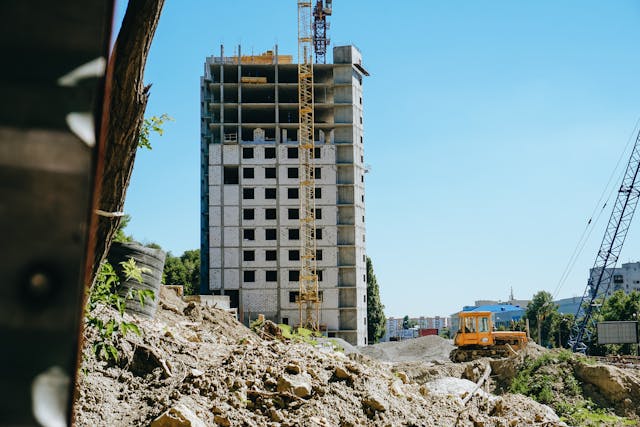
Structural engineers play a vital role in ensuring that buildings are safe, stable, and capable of withstanding various forces over time. From residential homes to large commercial complexes, every structure depends on careful planning and precise calculations. The discipline of Structural Engineering focuses on designing frameworks that can handle loads, environmental conditions, and long-term wear without failure.
Understanding Building Loads and Forces
The first step in ensuring safety and stability is understanding the different types of loads acting on a structure. These include:
- Dead loads (weight of the building itself)
- Live loads (people, furniture, equipment)
- Environmental loads (wind, earthquakes, rain)
Structural engineers calculate these forces and design the building to distribute them evenly. Proper load management prevents stress concentration, which could otherwise lead to cracks or structural failure.
Careful Planning and Design
Before construction begins, engineers create detailed designs using advanced software and mathematical models. These designs consider every aspect of the structure, including size, shape, materials, and location.
In a diverse country like India, planning must also account for regional conditions such as seismic zones, climate variations, and soil types. This ensures that buildings remain stable even under challenging conditions.
Material Selection and Quality Control
Choosing the right materials is crucial for structural safety. Engineers evaluate materials based on strength, durability, and suitability for the project. Common materials include concrete, steel, and wood, each with specific properties.
Quality control measures are also implemented to ensure that materials meet required standards. Poor-quality materials can compromise the entire structure, making this step extremely important.
Structural Analysis and Testing
Structural analysis involves examining how a building will behave under different conditions. Engineers use simulations and calculations to predict how the structure will respond to loads, vibrations, and environmental forces.
Testing methods such as load testing and stress analysis help identify potential weaknesses before construction begins. This proactive approach minimizes risks and ensures safety.
Designing for Earthquake Resistance
Earthquakes pose a significant threat to buildings, especially in certain regions. Structural engineers design buildings to absorb and dissipate seismic energy, reducing the risk of collapse.
Techniques used include:
- Reinforced concrete structures
- Flexible building designs
- Base isolation systems
These methods help buildings withstand seismic shocks and protect occupants.
Ensuring Proper Load Distribution
A stable structure requires even distribution of loads across all components. Engineers design beams, columns, and foundations to work together in supporting the building.
Improper load distribution can lead to structural imbalance and failure. By carefully calculating and distributing loads, engineers ensure that every part of the structure contributes to overall stability.
Importance of Strong Foundations
The foundation is the most critical part of any building. It supports the entire structure and transfers loads to the ground. Engineers analyze soil conditions to determine the best type of foundation.
Different types of foundations include:
- Shallow foundations for stable soil
- Deep foundations for weaker soil conditions
A strong foundation ensures that the building remains stable and does not settle unevenly over time.
Compliance with Building Codes
Structural engineers must follow strict building codes and safety regulations. These codes are designed to ensure that structures meet minimum safety standards.
Compliance includes:
- Adhering to design guidelines
- Using approved materials
- Conducting safety checks
Following these regulations reduces the risk of accidents and ensures legal compliance.
Use of Modern Technology
Technology has transformed the field of structural engineering. Advanced tools such as Building Information Modeling (BIM) and simulation software allow engineers to create accurate and detailed designs.
These tools help in:
- Identifying design flaws early
- Improving efficiency
- Reducing construction errors
Technology enables engineers to achieve higher levels of precision and safety.
Regular Inspections and Maintenance
Ensuring safety does not end with construction. Regular inspections are necessary to monitor the condition of the building over time.
Engineers check for:
- Cracks or structural damage
- Material deterioration
- Foundation issues
Timely maintenance helps prevent minor issues from becoming major problems.
Collaboration with Architects and Builders
Structural engineers work closely with architects and construction teams to ensure that design and functionality go hand in hand. While architects focus on aesthetics, engineers ensure that the design is structurally sound.
This collaboration results in buildings that are both visually appealing and safe.
Importance of Professional Expertise
Professional expertise is essential for ensuring building safety and stability. Experienced engineers bring knowledge, skills, and practical insights to the project.
Consulting experts who provide Structural Engineering Services In Ahmedabad ensures that projects are tailored to local conditions and comply with regional standards. Local knowledge can significantly improve the effectiveness of structural design.
Addressing Common Challenges
Structural engineers often face challenges such as:
- Complex architectural designs
- Budget limitations
- Environmental constraints
- Changing safety regulations
Overcoming these challenges requires innovation, planning, and continuous learning.
Future of Structural Safety
The future of structural engineering is focused on sustainability and resilience. New materials, smart technologies, and eco-friendly designs are shaping modern construction.
Engineers are increasingly adopting green building practices to reduce environmental impact while maintaining safety and stability.
Final Thoughts
Structural engineers are the backbone of safe construction. Their expertise ensures that buildings can withstand various forces and remain stable over time. From planning and design to inspection and maintenance, every step is carefully managed to ensure safety.
In today’s rapidly evolving construction industry, the role of structural engineers is more important than ever. By combining technical knowledge with modern technology, they continue to create structures that are safe, durable, and reliable for future generations.












Post Comment