Does High Insulin Cause Weight Gain? Here’s What the Science Actually Says
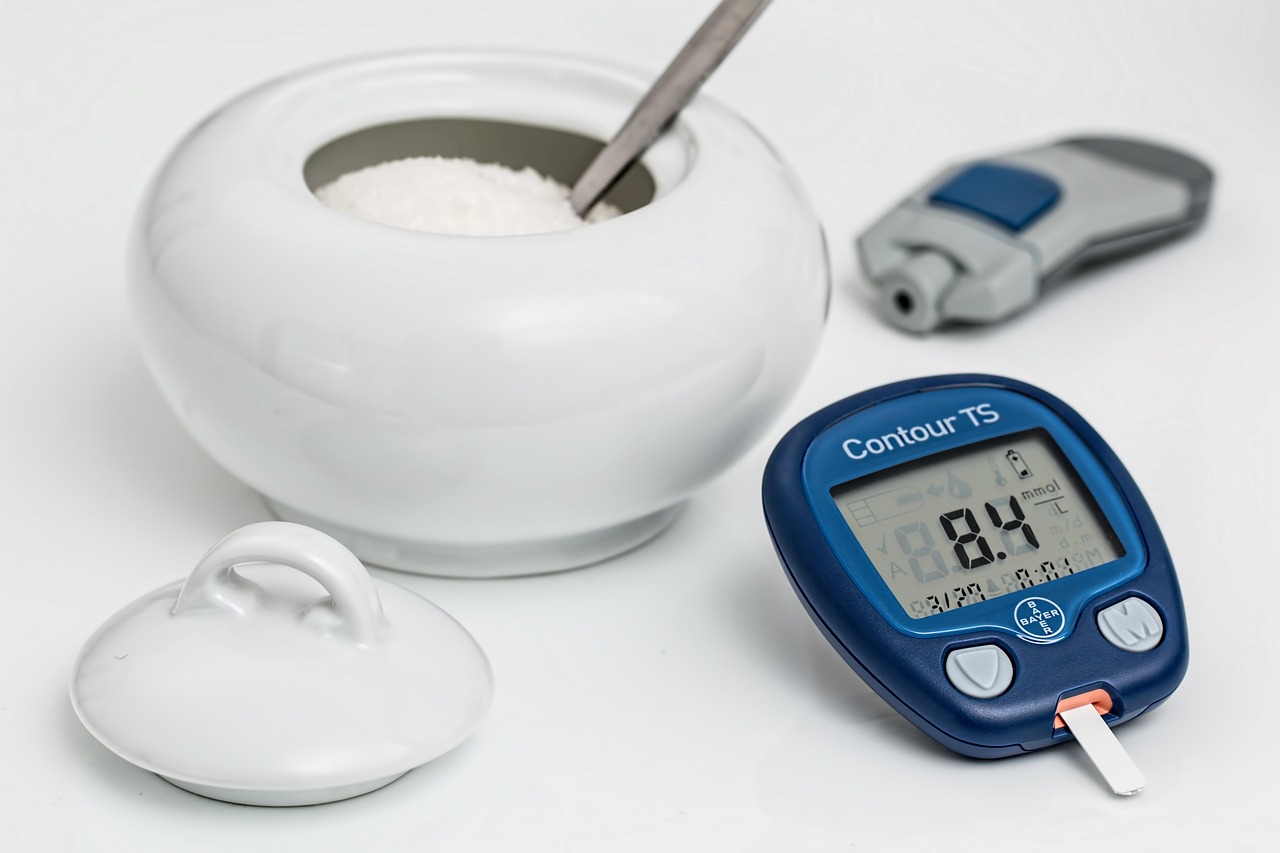
If you’ve been struggling to lose weight despite watching what you eat, insulin might be part of the story. It’s a hormone most people associate with diabetes, but it plays a central role in how every body stores fat, manages hunger, and uses energy — whether you’re diabetic or not.
So does high insulin cause weight gain? The honest answer is: not directly, but it sets the stage for it in ways that are hard to ignore.
What Insulin Actually Does
Insulin is a hormone produced by the pancreas. Every time you eat — especially carbohydrates — your blood sugar rises, and your pancreas releases insulin to manage it. Think of insulin as a key: it unlocks your cells so they can absorb glucose from the bloodstream and use it for energy.
When your cells have taken all the glucose they need, insulin directs any remaining surplus into storage. Some goes into glycogen (the liver and muscles use this as a short-term energy reserve), and whatever is left gets converted into fat and stored in your fat cells.
This is a completely normal and necessary process. The issue isn’t insulin itself — it’s when insulin levels stay elevated far longer than they should.
The Fat Storage Problem with Chronically High Insulin
Under normal conditions, insulin rises after a meal and then falls. During the gaps between meals, insulin is low, which allows your body to access stored fat for energy. This natural ebb and flow is what keeps a healthy metabolism running smoothly.
When insulin stays high; due to frequent snacking, a diet heavy in refined carbohydrates, chronic stress, or poor sleep, this fat-burning window essentially disappears. Your body is stuck in storage mode. Fat goes in easily, but it doesn’t come back out.
There’s a second layer to this problem: high insulin actively suppresses the hormones your body uses to break down stored fat (a process called lipolysis). So even if you’re eating less, your body may resist releasing fat stores as fuel when insulin levels remain elevated.
This is why the same calorie deficit that works for one person can feel completely ineffective for someone with chronically high insulin.
Insulin, Hunger, and the Cycle That’s Hard to Break
High insulin doesn’t just affect fat storage — it also disrupts the signals that tell you when you’re hungry and when you’re full.
When blood sugar spikes and then crashes (which happens after eating refined carbs or sugary foods), the drop can trigger strong hunger signals even if you’ve recently eaten. This isn’t a lack of willpower. It’s your body responding to a real drop in available blood glucose.
The result is a cycle: you eat → insulin spikes → blood sugar crashes → you feel hungry again → you eat again. If the foods you’re reaching for keep triggering the same spike-and-crash pattern, this loop repeats throughout the day, and calorie intake climbs without it feeling like overeating.
Over time, consistently eating more than your body uses — driven in part by these hunger signals — is what leads to weight gain.
Insulin Resistance: When the Problem Compounds
If high insulin is the stage, insulin resistance is when things escalate.
Insulin resistance happens when your cells gradually become less responsive to insulin’s signals. Imagine the “key” wearing out — it still works, but it takes more effort. Your pancreas compensates by producing even more insulin to get the job done.
The result is a feedback loop: insulin resistance leads to higher insulin levels, which can worsen insulin resistance over time. This condition is closely associated with prediabetes, type 2 diabetes, polycystic ovary syndrome (PCOS), and excess abdominal fat.
Belly fat, in particular, is both a symptom and a contributing cause of insulin resistance. Fat tissue around the organs (visceral fat) is metabolically active in ways that interfere with insulin signaling, making the problem harder to reverse without targeted lifestyle changes.
Common signs that insulin resistance may be a factor include persistent fatigue after meals, strong sugar cravings, difficulty concentrating, weight that seems to gather around the midsection, and difficulty losing weight despite genuine effort.
What Raises Insulin Levels the Most
Not all foods affect insulin equally. The biggest drivers of insulin spikes are foods that digest quickly and flood the bloodstream with glucose rapidly:
- Sugary beverages — sodas, juices, sweetened coffees
- Refined white flour products — bread, pasta, pastries
- Processed snacks and packaged sweets
- High-sugar breakfast cereals
- Candy and confectionery
But food isn’t the only factor. Habits matter too. Eating frequently throughout the day keeps insulin elevated almost constantly, even if individual meals aren’t enormous. Chronic stress raises cortisol, which raises blood sugar, which triggers more insulin. And poor sleep — consistently getting less than seven hours — is one of the most underappreciated drivers of insulin resistance and hunger dysregulation.
How to Improve Insulin Sensitivity
The good news is that insulin sensitivity can improve meaningfully with consistent lifestyle changes, and the effects can show up relatively quickly.
Prioritize protein and fiber at every meal. Both slow digestion and moderate the blood sugar response to carbohydrates. A meal built around eggs, chicken, legumes, or fish alongside vegetables will produce a much gentler insulin response than the same calorie count from bread and juice.
Cut back on refined carbohydrates — not all carbohydrates. Whole foods like oats, sweet potatoes, brown rice, and fruit digest more slowly and cause smaller, more gradual insulin responses. Swapping processed carbs for whole food sources makes a significant difference without eliminating carbs entirely.
Move your body, especially after meals. Exercise is one of the most powerful tools for improving insulin sensitivity. Muscle tissue actively pulls glucose out of the bloodstream, which reduces how much insulin is needed. Even a 10–15 minute walk after eating can noticeably blunt a blood sugar spike. Resistance training (lifting weights, bodyweight exercises) builds muscle mass, which creates a larger “glucose sink” in the body over time.
Sleep 7–9 hours consistently. A single night of poor sleep can meaningfully reduce insulin sensitivity in healthy people. Over weeks and months, chronic sleep deprivation has a compounding negative effect on glucose metabolism and hunger hormones.
Manage stress actively. This isn’t just advice for wellbeing — cortisol directly raises blood glucose, which drives up insulin. Regular practices like walking outdoors, breathing exercises, or simply protecting time away from screens can make a real metabolic difference.
Consider meal timing. Some evidence suggests that eating within a consistent window during the day — rather than grazing from morning to night — allows insulin levels to stay low for longer periods, giving fat-burning processes more opportunity to operate.
Can You Lose Weight Even with High Insulin?
Yes, and many people do. High insulin makes weight loss harder, but it doesn’t make it impossible.
The most effective approach combines a modest calorie deficit with the insulin-sensitizing habits described above. Cutting calories dramatically without addressing the quality of your diet often backfires — if you’re eating less but still spiking insulin repeatedly, hunger and cravings tend to override the deficit eventually.
What actually works is focusing on both what you eat and how often insulin spikes. When blood sugar is more stable, hunger is more predictable and manageable. That makes it far easier to sustain the habits that lead to steady, lasting weight loss — rather than cycles of restriction and rebound.
A Simple Daily Framework to Support Healthier Insulin Levels
You don’t need a complicated plan. The fundamentals are straightforward:
Breakfast: Prioritize protein and vegetables or fruit over cereal, toast, or pastries. Eggs with vegetables, Greek yogurt with berries and nuts, or a protein-rich smoothie all set a more stable blood sugar baseline for the rest of the day.
Lunch: A balanced plate — lean protein, fiber-rich vegetables, and a moderate portion of whole food carbohydrates. Avoid sweetened drinks alongside meals.
Snacks (if needed): Pair something with protein or fat. An apple alone spikes blood sugar faster than an apple with a handful of almonds. A small handful of nuts, a boiled egg, or full-fat yogurt all slow the glucose response.
Dinner: Keep refined carbohydrates minimal. Focus on vegetables, protein, and healthy fats.
Daily habits: A 20–30 minute walk, adequate water intake, and consistent sleep times will support everything else you’re doing nutritionally.
The Bottom Line
High insulin doesn’t flip a switch that automatically causes weight gain, but it creates a metabolic environment where gaining weight is easier and losing it is harder. It promotes fat storage, suppresses fat burning, amplifies hunger signals, and when insulin resistance develops can spiral into a pattern that’s genuinely difficult to break through willpower alone.
The path forward isn’t to fear insulin, but to understand it. The habits that lower insulin naturally — balanced whole food eating, regular physical activity, good sleep, and stress management — are the same habits that support overall health. When you address the root drivers of elevated insulin, weight management tends to become considerably less of a struggle.
Small, consistent changes have a compounding effect. You don’t need to overhaul everything at once. Pick one habit from this list and build from there.













Post Comment