A Complete Guide to Used Engines: Benefits, Considerations, and Smart Buying Tips
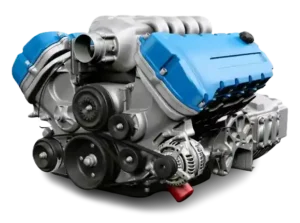
When a vehicle’s engine fails or begins to show serious wear, car owners are often faced with a costly decision repair, replace, or retire the vehicle. One increasingly popular solution is opting for a used engine. This approach offers a practical balance between affordability and functionality, making it an attractive choice for budget-conscious drivers. However, understanding how used engines work, along with their advantages and risks, is essential before making a decision.
What Is a Used Engine?
A used engine is a previously installed motor removed from another vehicle and resold for reuse. These engines are often sourced from vehicles that were damaged in accidents but still had fully functioning mechanical components. In many cases, the engine itself remains in good condition and can continue to perform reliably when installed in another vehicle.
Used engines may come as complete units or partial assemblies, depending on the seller and intended application. They are commonly utilized when repairing vehicles where the cost of a new engine would exceed the car’s value.
Why Choose a Used Engine?
One of the primary reasons people choose used engines is cost savings. Compared to new or remanufactured engines, used engines can be significantly more affordable—often costing 30% to 70% less. This makes them an ideal solution for extending the life of a vehicle without making a major financial investment.
Another advantage is availability. Used engines are often readily accessible, especially for older or discontinued vehicle models where new parts may be difficult to find. This reduces downtime and allows for quicker repairs.
Environmental benefits also play a role. Reusing engines reduces the demand for new manufacturing, conserves raw materials, and minimizes automotive waste. By giving an engine a second life, vehicle owners contribute to more sustainable practices in the automotive industry.
Key Factors to Consider Before Buying
While used engines offer several benefits, they also come with certain risks. Making an informed decision requires careful evaluation of multiple factors.
1. Compatibility
The most critical step is ensuring the engine is compatible with your vehicle. Even small differences in model year, engine type, or electronics can lead to installation problems. Matching specifications using the vehicle identification number (VIN) or consulting a professional mechanic can help avoid costly mistakes.
2. Engine History
Understanding the engine’s background is essential. Information such as mileage, maintenance records, and reason for removal can provide insights into its condition. Engines with lower mileage and consistent servicing are generally more reliable.
3. Physical Inspection
A visual inspection can reveal signs of wear or damage. Look for oil leaks, corrosion, cracks, or missing components. While external appearance doesn’t guarantee internal health, it can indicate how well the engine was maintained.
4. Testing and Verification
Whenever possible, choose engines that have undergone testing. Compression tests, leak-down tests, and electronic diagnostics can confirm whether the engine is in working condition. Engines that have been tested are less likely to have hidden issues.
5. Warranty and Return Policy
A warranty or return option adds a layer of security. Avoid purchasing engines sold “as-is” without any guarantee, as they carry a higher risk of failure.
Pros and Cons of Used Engines
Like any automotive decision, choosing a used engine involves weighing benefits against potential drawbacks.
Advantages:
- Lower cost compared to new engines
- Faster availability and installation
- Suitable for older or rare vehicles
- Environmentally friendly through reuse
Disadvantages:
- Uncertain history in some cases
- Potential for hidden mechanical issues
- Shorter lifespan compared to new engines
- Limited warranty options depending on the source
Understanding these trade-offs can help buyers decide whether a used engine aligns with their needs and expectations.
When Does a Used Engine Make Sense?
A used engine is often the best option when the rest of the vehicle is in good condition and worth maintaining. If the cost of a new engine exceeds the market value of the car, choosing a used one can restore functionality without overspending.
It is also a practical solution for older vehicles, where investing in a brand-new engine may not be financially justified. In such cases, a well-maintained used engine can provide several more years of reliable service.
However, if the vehicle has multiple underlying issues or if the engine shows signs of severe damage—such as overheating or internal failure—it may be better to consider other alternatives.
Tips for a Smart Purchase
To make the most of your investment, follow a few essential tips:
- Always verify compatibility before purchasing
- Prefer engines with documented service history
- Inspect the engine thoroughly or seek expert help
- Choose sellers who provide testing and basic warranties
- Avoid deals that seem too cheap without proper verification
These steps can significantly reduce risks and improve the chances of getting a dependable engine.
Final Thoughts
Used engines represent a practical and cost-effective solution for vehicle repairs, especially in situations where budget constraints are a concern. They offer a second life to vehicles that might otherwise be discarded, combining economic and environmental benefits.
However, success largely depends on careful selection. By focusing on compatibility, condition, and reliability, buyers can avoid common pitfalls and make a well-informed decision. With the right approach, a used engine can restore performance and extend the lifespan of a vehicle without unnecessary expense.











Post Comment