Floating Pond Fountains: A Buyer’s Guide for Property Owners
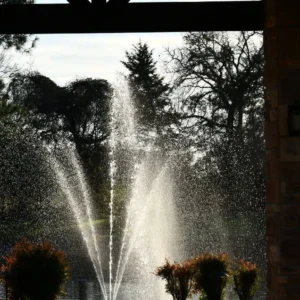
Floating pond fountains combine functional water aeration with striking visual appeal, making them one of the most popular improvements property owners add to residential ponds, commercial water features, and estate lakes. Understanding the options, how to size a fountain to your specific pond, and how to maintain the installation helps buyers make informed decisions about a purchase they will appreciate for years to come. The initial choice between products significantly affects both daily enjoyment and long-term reliability, so investing time in understanding options before buying pays dividends every single year the fountain operates.
How These Systems Differ from Other Aerators
Floating pond fountains combine aeration with visual spray display in a single package. Bottom-mounted aerators produce stronger aeration per watt but no visual effect at all. Surface aerators produce some visual effects but are less dramatic than true fountains. Floating fountains occupy the sweet spot, offering genuine aeration sufficient for most ponds combined with the striking visual display that makes a water feature an actual focal point rather than just functional equipment. For most residential applications, this combination delivers more total value than either approach alone would provide to the property.
Selecting Horsepower for Your Pond
Fountain horsepower should match pond surface area appropriately for the installation to perform as intended. One-quarter to one-half horsepower suits small residential ponds under a quarter acre. Three-quarter to one horsepower fits ponds from a quarter to one acre. One-and-a-half horsepower and above handles large ponds and small lakes beyond that size. Going larger than needed wastes electricity without proportional visual benefit. Going smaller fails to produce proportional visual impact or adequate aeration for the water volume in the pond. Matching fountain size to pond size correctly is the most important sizing decision owners make.
Choosing a Spray Pattern
Different nozzle patterns create dramatically different aesthetic effects. Tall single-tier geysers provide maximum dramatic impact and carry well across large water. Multi-tier tulip or lotus patterns create refined elegant displays suited to formal settings. Wide trumpet patterns spread across the water surface and work in natural landscape settings. Crown patterns ring a central column with multiple smaller jets for architectural impact. Most quality floating pond fountains include multiple interchangeable nozzles, allowing owners to experiment and find the pattern that best suits their setting and taste across the seasons and viewing angles.
Power and Electrical Requirements
Most residential fountains operate on standard 120V power available at typical outdoor outlets. Larger commercial units often require 240V service that may need electrical upgrades to install. All installations require GFCI protection on the fountain circuit for safety around water. Cables must be marine-grade and appropriately rated for continuous submersion and weather exposure across freeze-thaw cycles. Professional electrical installation is worth the cost for safety and insurance coverage around any water feature with electrical components. Getting the electrical foundation correct protects everything that follows from the initial installation.
Seasonal Operation
In temperate climates with mild winters, many floating pond fountains operate year-round for continuous aeration and winter interest. In freezing climates, fountains must be removed before ice forms to prevent damage to floats, pumps, and spray heads. Seasonal removal, storage, and spring reinstallation require planning but extend equipment life significantly. Some owners install bottom-mounted aerators underwater for winter months to maintain aeration when fountains are stored indoors. Proper winterization each fall protects the investment and ensures reliable operation when warmer weather returns in spring.
Adding Lighting and Accessories
Many owners eventually add LED lighting kits that transform the fountain into an evening focal point visible across the entire property. Color-changing systems produce any color desired with programmable patterns and smart controls. Other accessories include replacement nozzles for different spray patterns, upgraded pump assemblies for enhanced performance, and specialized anchoring systems for difficult installation locations. These additions extend fountain enjoyment and utility meaningfully and often provide more value per dollar than additional horsepower upgrades to the base fountain would deliver.
Maintenance Over the Years
Regular maintenance keeps quality floating pond fountains operating reliably for a decade or more without major failures. Clean intake screens monthly during peak season. Inspect cables and anchors at the start of each active season. Lubricate seals and bearings per manufacturer specifications. Remove and store the fountain properly in freezing climates. Address any performance changes promptly before they cascade into complete failures. These simple practices extend service life dramatically and prevent the expensive mid-season failures that leave ponds without circulation during their most important months.
Final Thoughts
Property owners researching floating fountains for ponds and evaluating models across different horsepower ranges and feature sets will find that working with a specialist supplier who can match equipment to pond size, location, and goals ensures the finished installation performs reliably and delivers the visual impact that makes the investment worthwhile for years to come.







Post Comment